French Camino from Saint-Jean-Pied-de-Port
The Camino from Saint-Jean-Pied-de-Port allows you to enjoy the full richness of the monuments and landscapes of the Camino de Santiago.
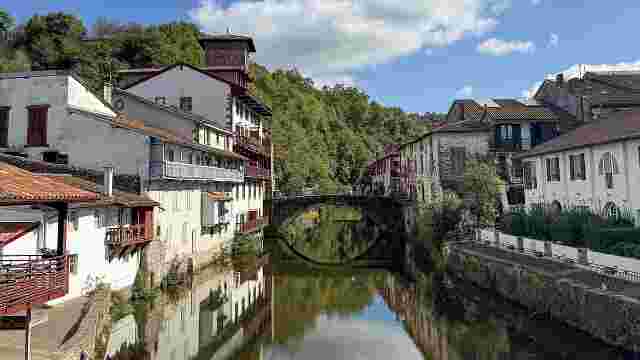
Saint-Jean-Pied-de-Port
The historic Camino de Santiago routes coming from Europe to cross the Pyrenees converge in this small town.
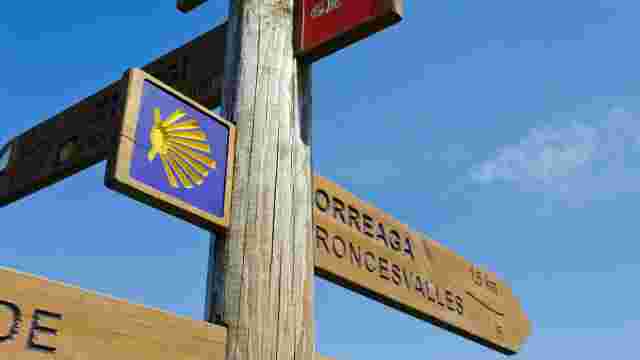
STAGE 1 SAINT-JEAN-PIED-DE-PORT - RONCESVALLES
The first stage of the Camino begins in France, crossing the Pyrenees to reach the small, historic town of Roncesvalles.
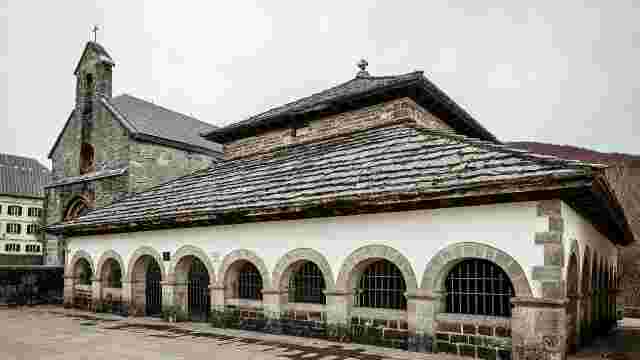
Roncesvalles
As the first town on the French Way of the Camino de Santiago in Spain, Roncesvalles blends history and legend amidst a stunning natural setting.
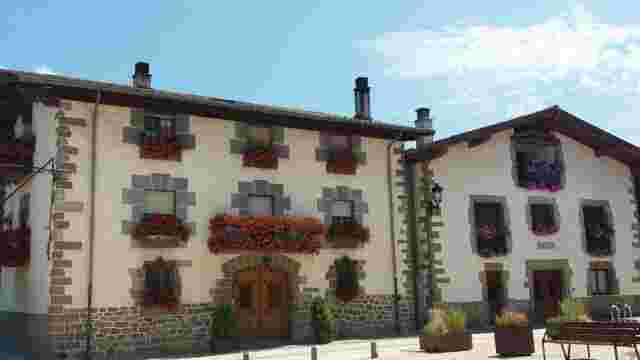
STAGE 2 RONCESVALLES - ZUBIRI
A beautiful stage that winds through oak and beech forests. The landscape is typical of mid-mountain terrain, filled with green meadows and dirt paths.
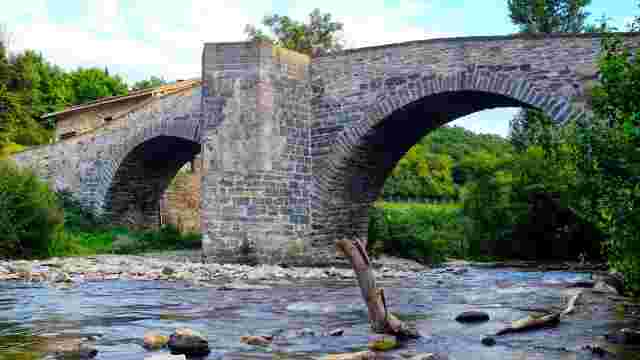
Zubiri
This small village combines the beauty of traditional architecture with a peaceful natural setting in the heart of the valleys of the Navarrese Pyrenees.
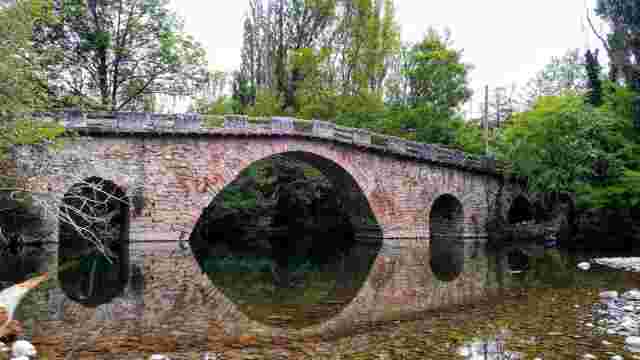
STAGE 3 ZUBIRI - PAMPLONA
This stage involves a gradual descent along the course of the Arga River until reaching the first major city on the Camino: Pamplona.
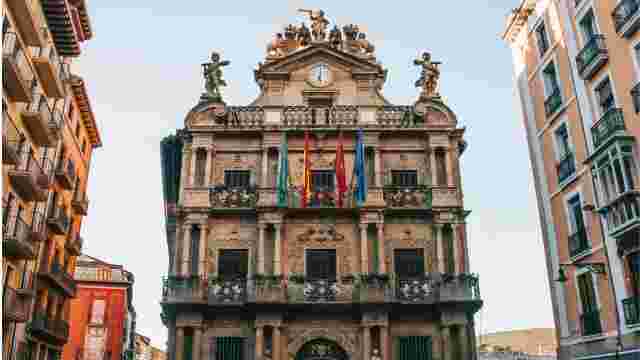
Pamplona
Pamplona is a vibrant, cosmopolitan city that combines a rich history with a renowned culinary scene. It is the first major city on the French Way.
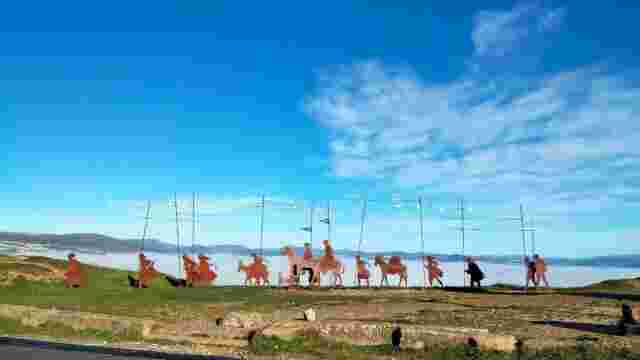
STAGE 4 PAMPLONA - PUENTE LA REINA
This day's journey is marked by the ascent of the Alto del Perdón—occurring roughly halfway through the stage—and by the change in landscape from mountains to p
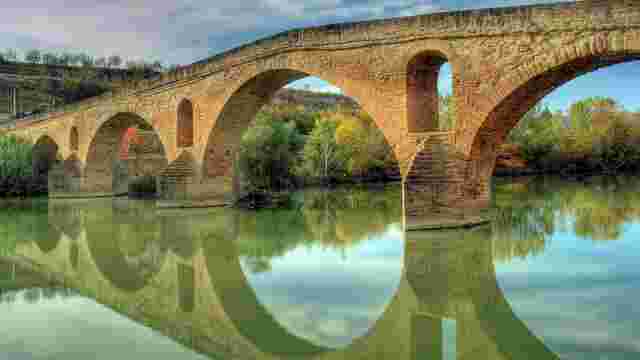
Puente la Reina
Puente la Reina is a historic town on the Camino. Here, the French Way and the Aragonese Way converge at the final crossing over the Arga River.
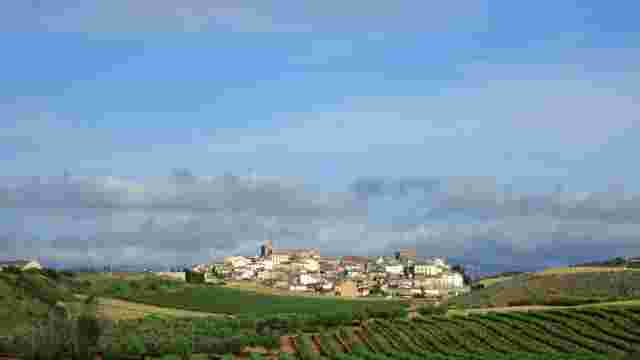
STAGE 5 PUENTE LA REINA - ESTELLA
Between Puente la Reina and Estella, the landscape is defined by vineyards, grain fields, and dirt paths, making it a stage of great beauty.
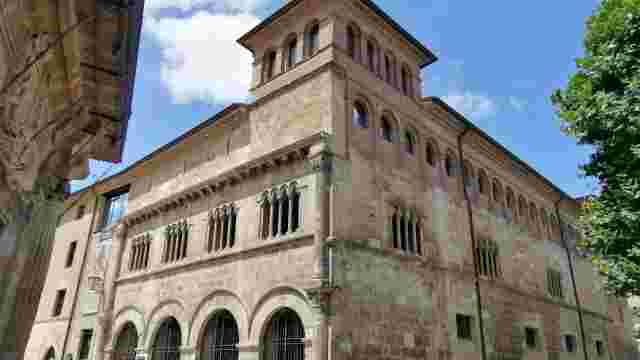
Estella
Estella is a city incredibly rich in historical and cultural heritage, boasting one of the most impressive concentrations of monuments along the entire Camino.
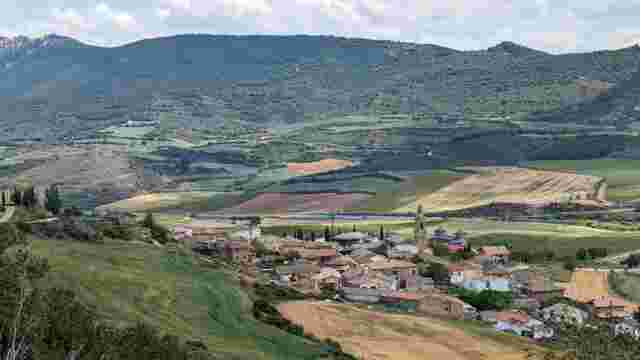
STAGE 6 ESTELLA - LOS ARCOS
A peaceful stage that winds through areas filled with vineyards and olive groves and rolling hills, featuring secluded stretches where one can enjoy the underst
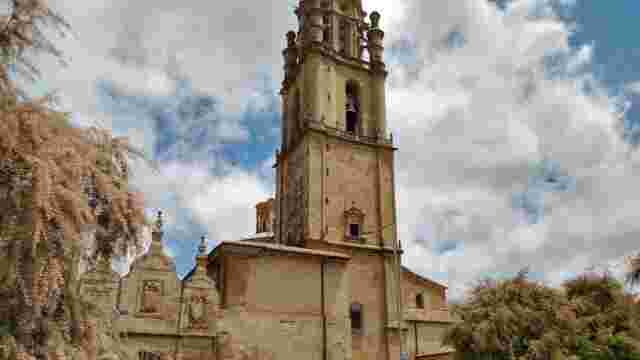
Los Arcos
Los Arcos is a small, historic medieval town on the Camino, surrounded by a plain of vineyards, olive groves, and grain fields.
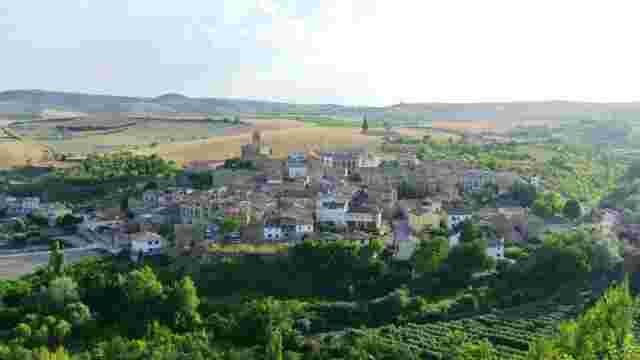
STAGE 7 LOS ARCOS - LOGROÑO
This is a stage with numerous points of interest along the way, such as the towns of Torres del Río and Viana, or the large city of Logroño.
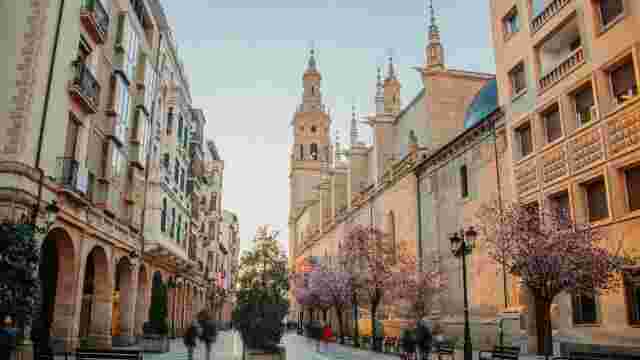
Logroño
Logroño is the capital of La Rioja, a city offering a rich heritage, excellent gastronomy, and a major cradle of wine culture.
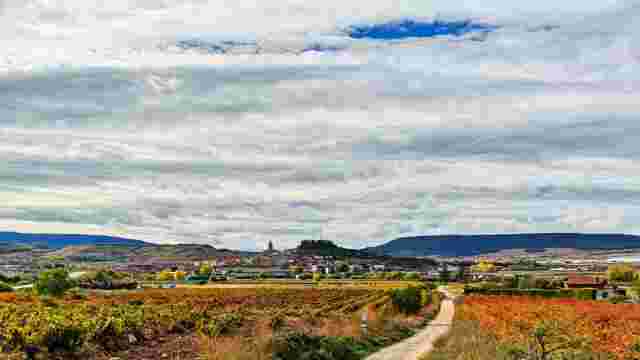
STAGE 8 LOGROÑO - NÁJERA
This stage takes us into one of the most emblematic and important regions of the Camino, featuring historic sites such as our final destination, Nájera.
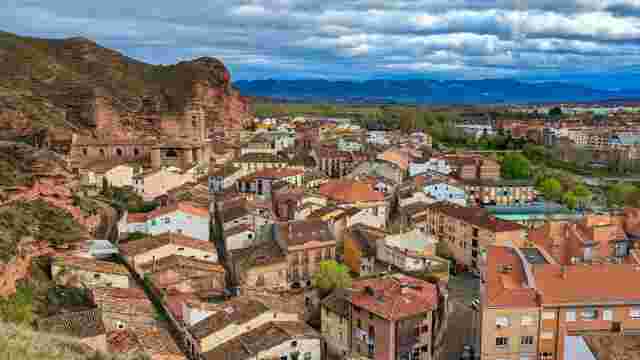
Nájera
Nájera is one of the oldest towns on the Camino. A cradle of kingdoms, it lies sheltered by its distinctive reddish hills, which take pilgrims by surprise.
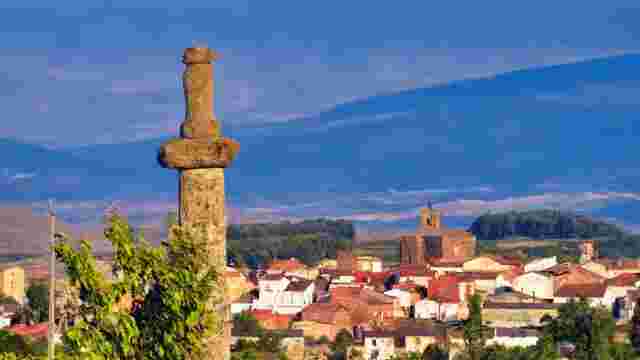
STAGE 9 NÁJERA - SANTO DOMINGO DE LA CALZADA
Today, the stage connects two ancient towns which grew thanks to the Camino de Santiago and its pilgrims via gentle paths and fields of grain.
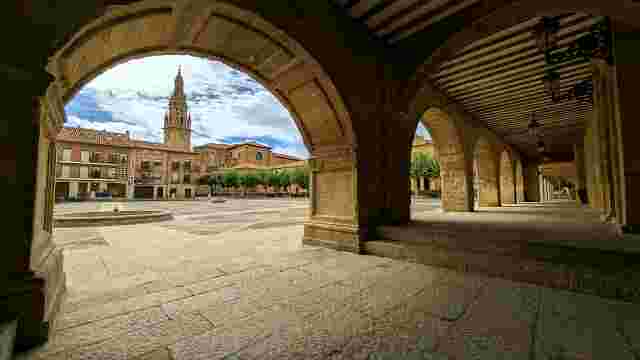
Santo Domingo de la Calzada
Santo Domingo de la Calzada is one of the most important places on the French Way. It is full of monuments and legends, all of which are related to the Camino.
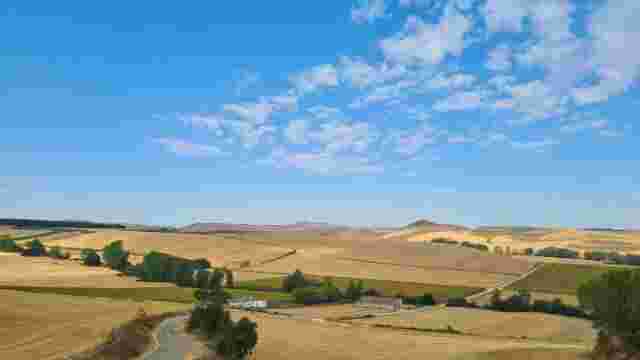
STAGE 10 SANTO DOMINGO DE LA CALZADA - BELORADO
This is a short stage with an easy profile. The entire route is dotted with small villages home to few inhabitants but rich in Jacobean tradition.
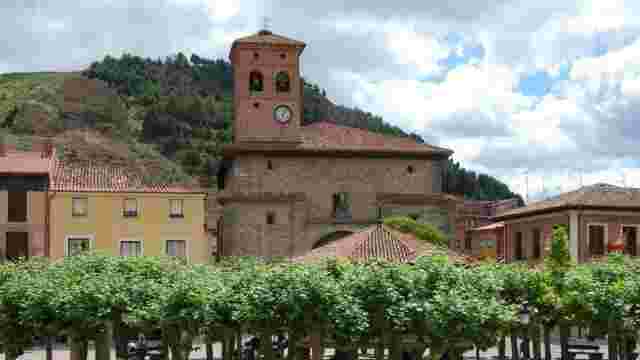
Belorado
Sheltered by the remains of its ancient castle and the rugged mountain range, Belorado has been a key hub for trade and a resting place for pilgrims since the 1
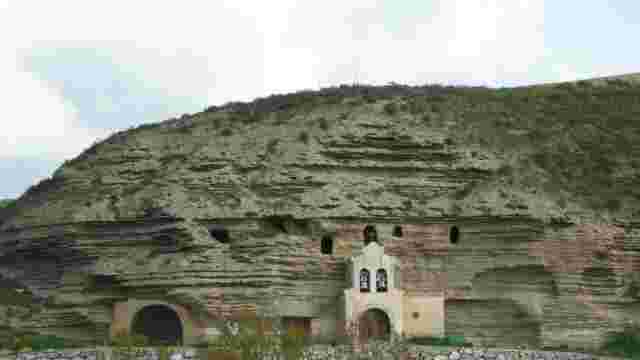
STAGE 11 BELORADO - SAN JUAN DE ORTEGA
This stage of the journey takes place in the famous Montes de Oca, so we will face a climb that lasts almost until the very end of the stage.
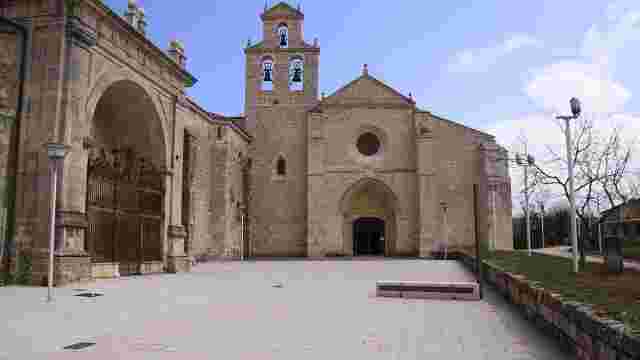
San Juan de Ortega
San Juan de Ortega is another tiny village built for pilgrims and one of the most spiritual and symbolic sites on the Camino Francés.
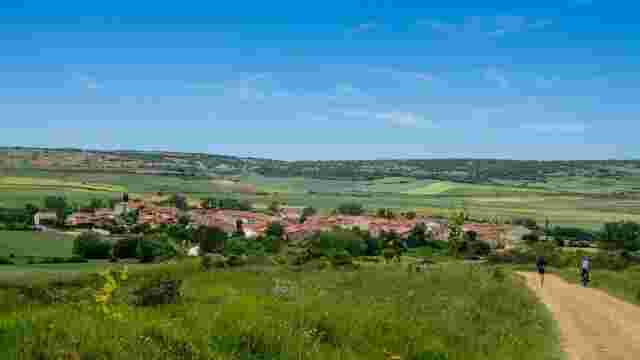
STAGE 12 SAN JUAN DE ORTEGA - BURGOS
The first half of the route winds through the Sierra de Atapuerca along easy paths before leading to a long approach to the city of Burgos.
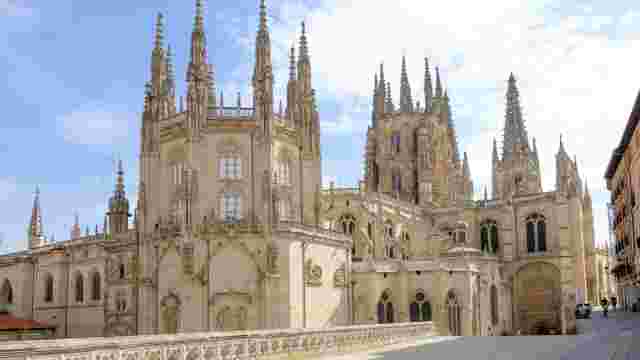
Burgos
Burgos is home to one of the jewels of the French Way, the Cathedral of Santa María, considered a masterpiece of Gothic architecture.
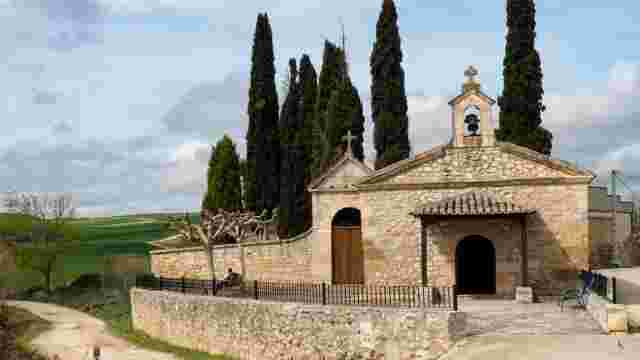
STAGE 13 BURGOS - HORNILLOS DEL CAMINO
A short, leisurely day’s journey along dirt tracks through the vast cereal fields of the Castilian Plateau.
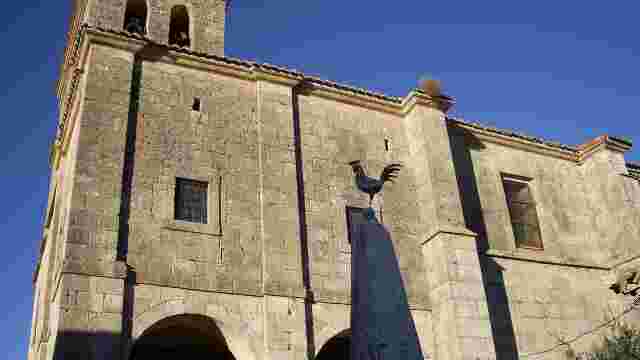
Hornillos del Camino
Since the Middle Ages, this small town has been a stopping-off point for pilgrims, which led to it having as many as three hospitals for pilgrims.
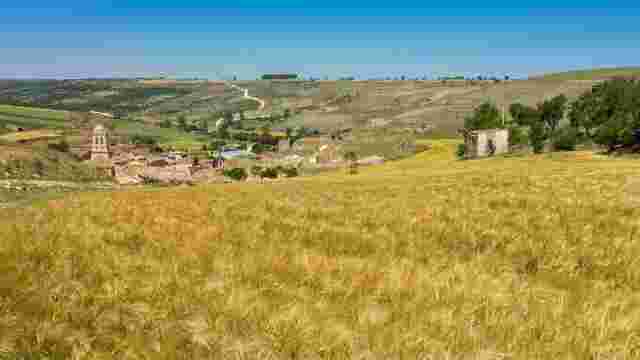
STAGE 14 HORNILLOS DEL CAMINO - CASTROJERIZ
An easy, flat stage that follows a practically straight dirt track. As far as the eye can see, the landscape consists of grain fields.
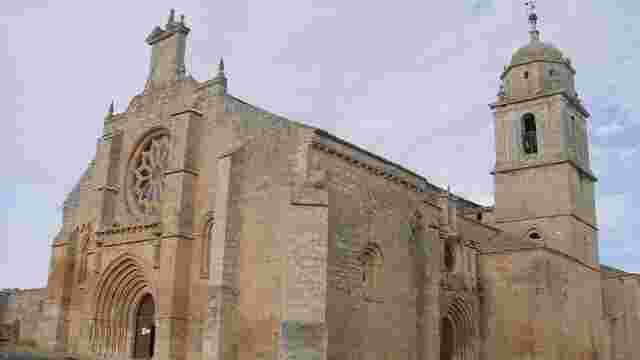
Castrojeriz
Castrojeriz lies at the foot of the hill crowned by the ruins of its castle and offers pilgrims hospitality, cultural heritage and fine cuisine.
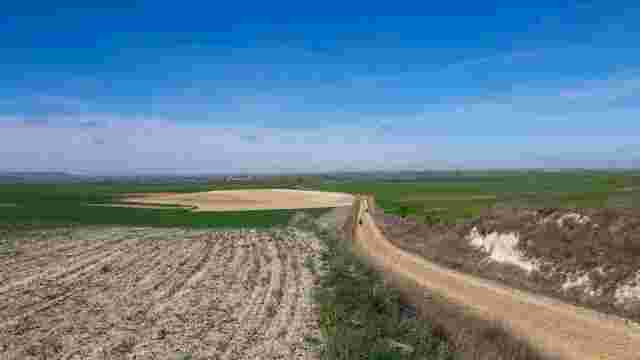
STAGE 15 CASTROJERIZ - FRÓMISTA
The route and the landscape of this stage have changed little over the centuries and transport the pilgrim to another era through their solitude and tranquillit
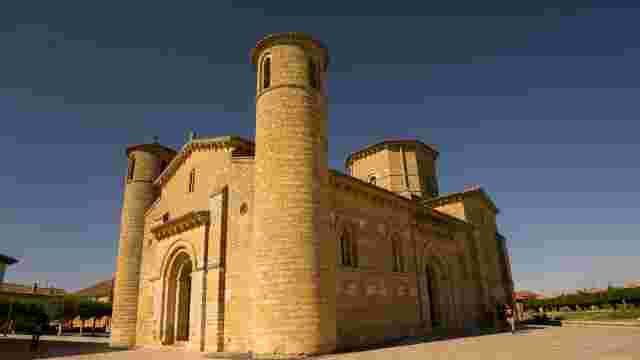
Frómista
Frómista is one of the best-known places on the French Way thanks to its world-famous Church of San Martín, a fine example of the purest Romanesque style.
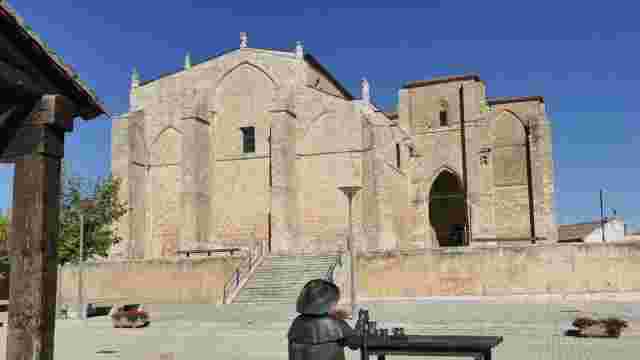
STAGE 16 FRÓMISTA - CARRIÓN DE LOS CONDES
This stage runs almost parallel to the road and is completely flat, so it presents no difficulty.
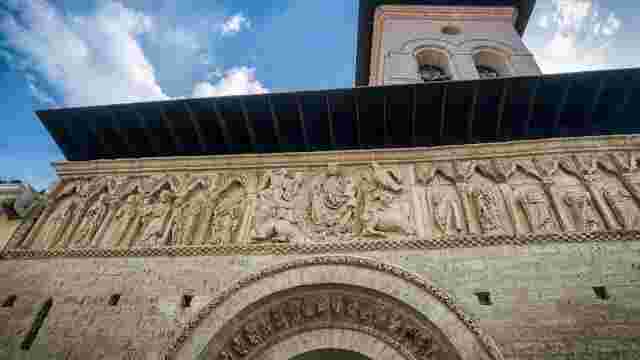
Carrión de los Condes
A town with a long tradition of pilgrimage to Santiago and of great importance in the Middle Ages, the birthplace of great noble families who enriched it with n
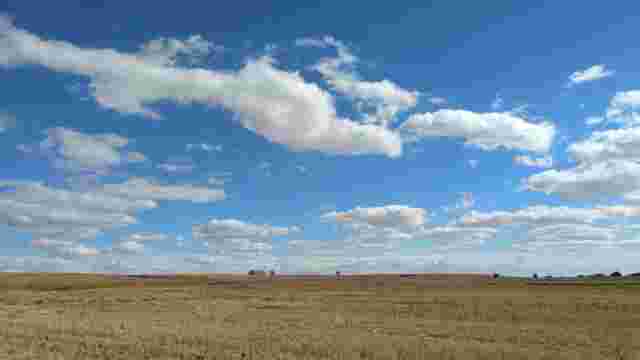
STAGE 17 ETAPA CARRIÓN DE LOS CONDES - TERRDILLOS DE LOS TEMPLARIOS
This is a flat stretch of the route that immerses us in the vastness of the cereal fields and offers the pilgrim a time of peace and introspection.
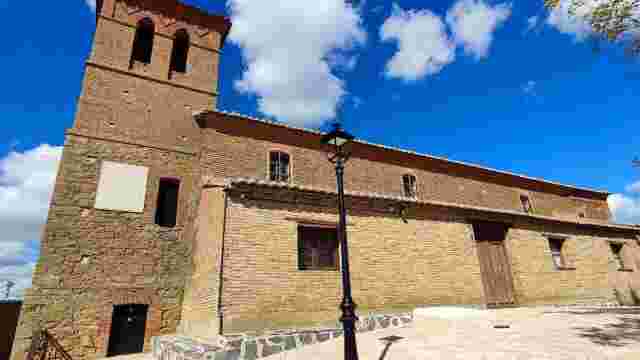
Terradillos de los Templarios
A small village situated in the heart of the French Way, with links to the Knights Templar, where you can admire traditional Castilian architecture.
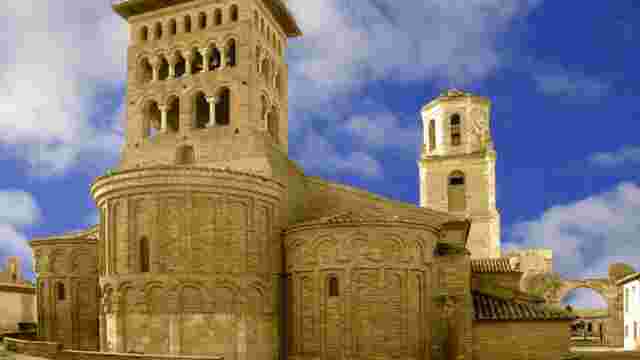
STAGE 18 TERRADILLOS DE LOS TEMPLARIOS - BERCIANOS DEL REAL CAMINO
A flat, peaceful stage. The flat landscape begins to be dotted with avenues of trees, and Romanesque architecture blends with Mudejar style.
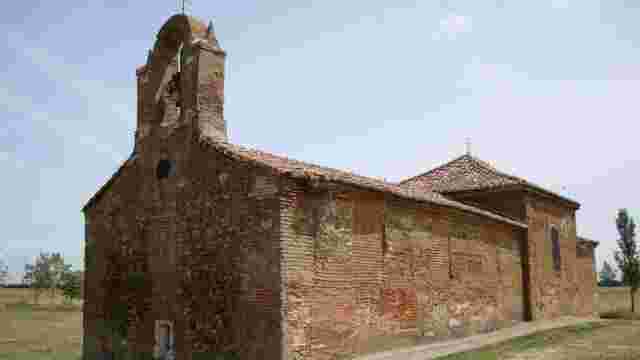
Bercianos del Real Camino
Bercianos del Real Camino has been a traditional stop for pilgrims ever since the first hospital was founded there in the 12th century.
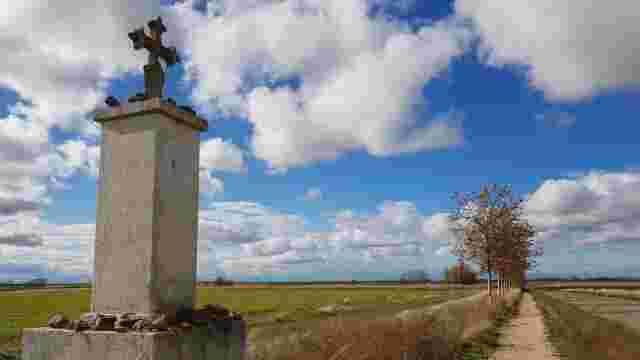
STAGE 19 BERCIANOS DEL REAL CAMINO - MANSILLA DE LAS MULAS
A day’s walk where the only challenge is the distance to be covered. We follow a path designed for pilgrims, lined with trees that provide some shade.
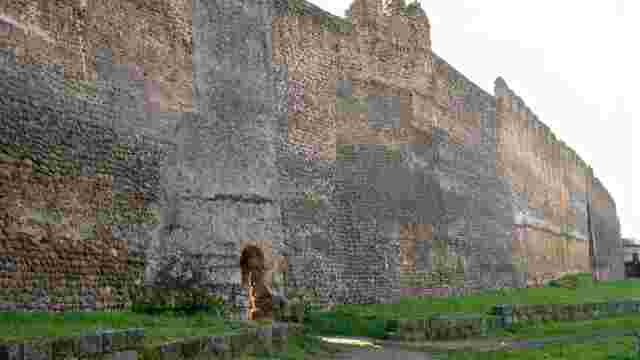
Mansilla de las Mulas
Mansilla de las Mulas, on the banks of the River Esla, was an important transport hub for trade, particularly in medieval times.
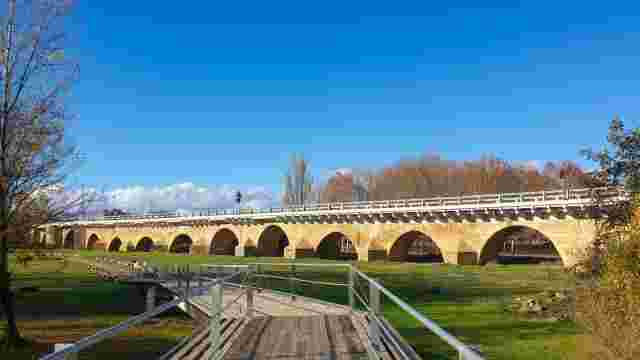
STAGE 20 MANSILLA DE LAS MULAS - LEÓN
A relatively short stage, presenting few difficulties, which takes the pilgrim to the last major town they will encounter before completing their Camino.
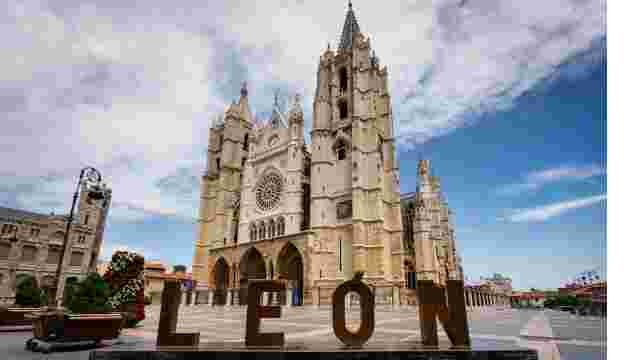
León
León was founded as a Roman military camp for the Legio VI Victrix around 29 BC and has since gradually developed into the historic city it is today
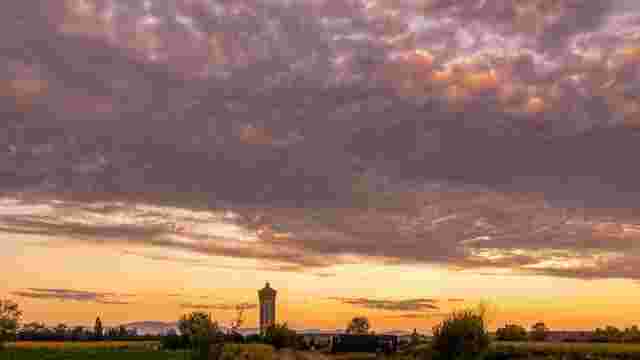
STAGE 21 LEÓN - SAN MARTÍN DEL CAMINO
An easy stage that takes us away from the city of León and brings us closer to the mountainous area we’ll be tackling over the next few days.
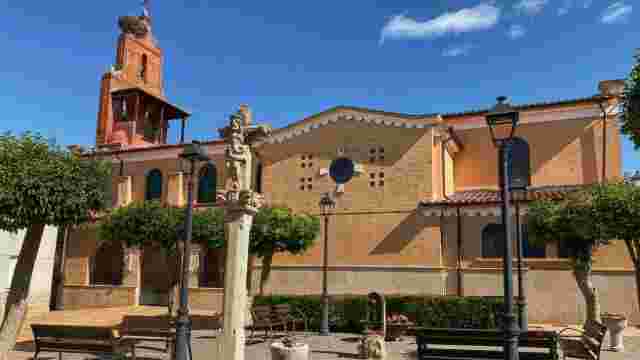
San Martín del Camino
Although San Martín del Camino is a small town, it plays a significant role on the French Way, welcoming thousands of pilgrims every year.
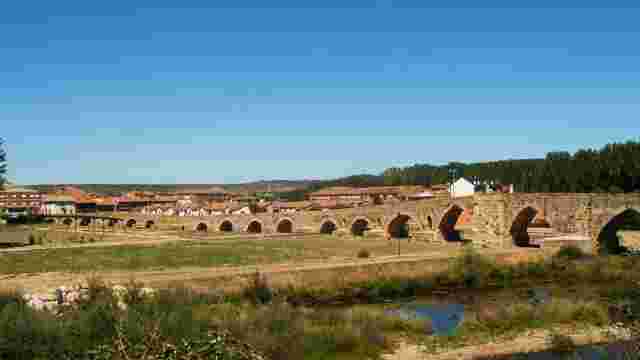
STAGE 22 SAN MARTÍN DEL CAMINO - ASTORGA
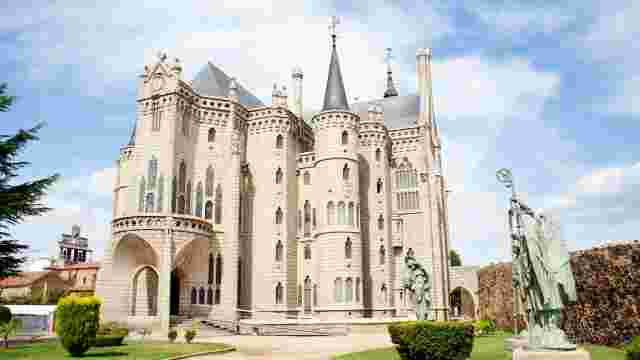
A stage offering beautiful scenery, legends of the Way of St James and cultural heritage, where pilgrims will find one of the few works by Gaudí outside Catalon
Astorga
An unmissable stop on the Way of St James, Astorga captivates visitors with its imposing cathedral, Gaudí’s palace and its rich Roman heritage.
STAGE 23 ASTORGA - RABANAL DEL CAMINO
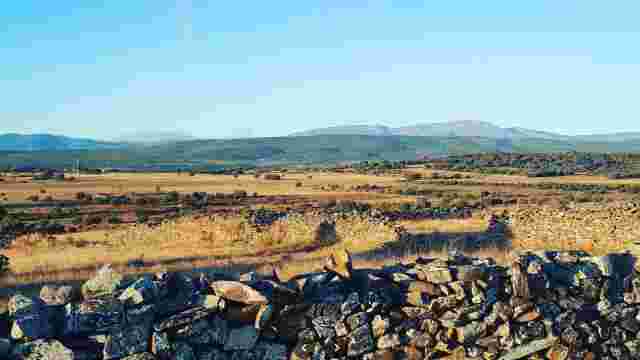
The route from Astorga to Rabanal del Camino follows a gentle slope as it takes us into the Montes de León, offering views of great beauty.
Rabanal del Camino
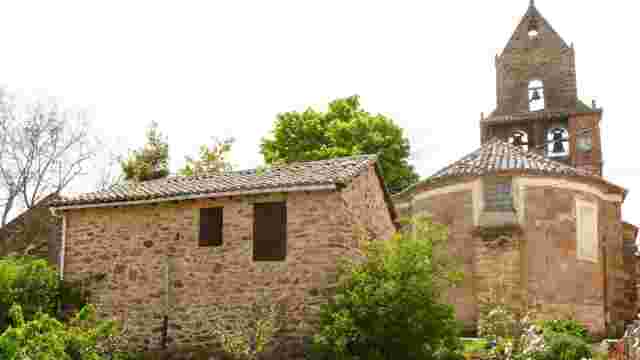
This small village, with its traditional stone and timber architecture, is notable for being a key landmark for pilgrims travelling along the French Way.
STAGE 24 RABANAL DEL CAMINO - PONFERRADA
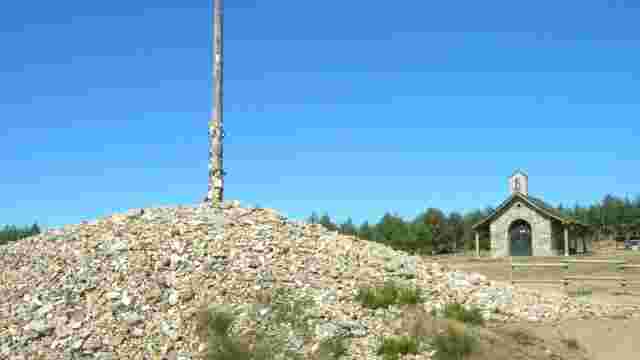
Today’s stage reaches an altitude of 1,500 metres, so in winter you need to be well prepared to tackle it. The effort is rewarded with a unique panoramic view.
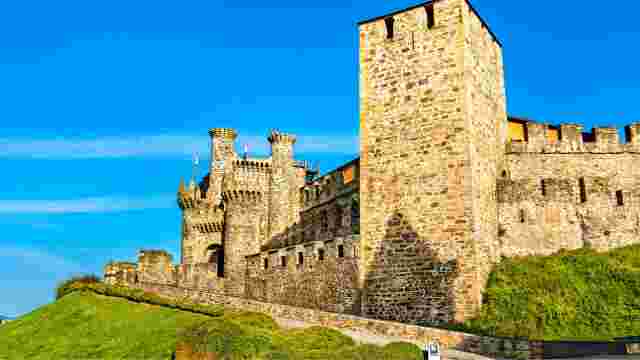
Ponferrada
Ponferrada, in the heart of the Bierzo region, has a history linked to both the Camino de Santiago and the legendary Knights Templar.
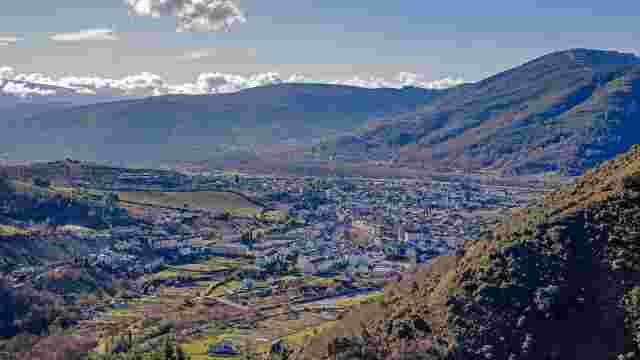
STAGE 25 PONFERRADA - VILAFRANCA DEL BIERZO.
Today, the Camino runs through the Bierzo region—with mountains constantly in the background—along paths that are easier than those of previous days.
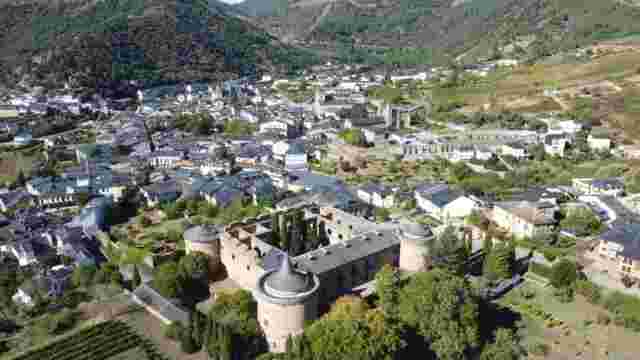
Villafranca del Bierzo
The Camino de Santiago is so important to this town that it is often referred to as "Little Compostela."
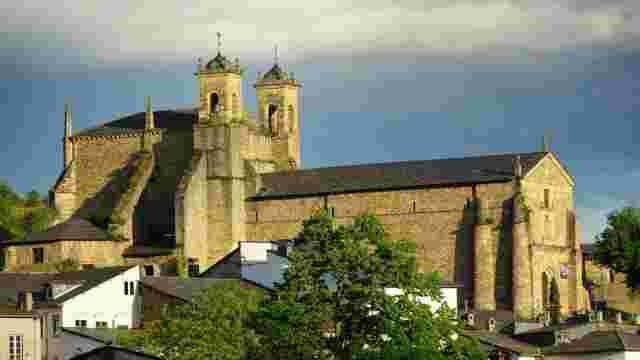
STAGE 26 VILLAFRANCA DEL BIERZO - LAS HERRERÍAS
One of the legendary stages of the Camino that allows us to enter Galicia. Its steady ascent makes it the "Queen stage" of the route to Santiago.
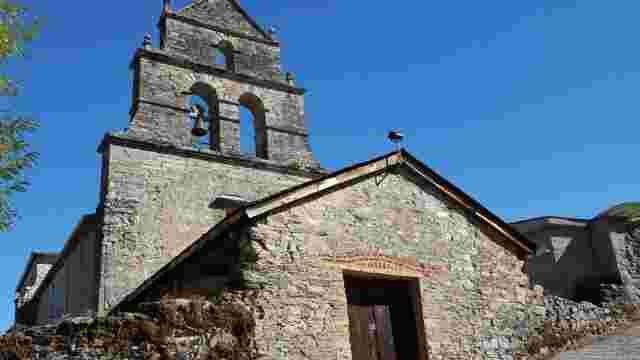
Las Herrerías
This small place takes its name from the various ironworks and forges that, since the 17th century, processed the metal extracted from the mountains.
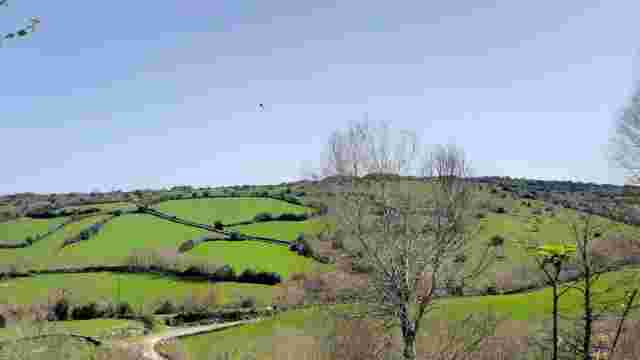
STAGE 27 LAS HERRERÍAS - FONFRÍA
This stage features a beautiful uphill section that ends at O Cebreiro, after which we enjoy the mountainous stretches before beginning the descent.
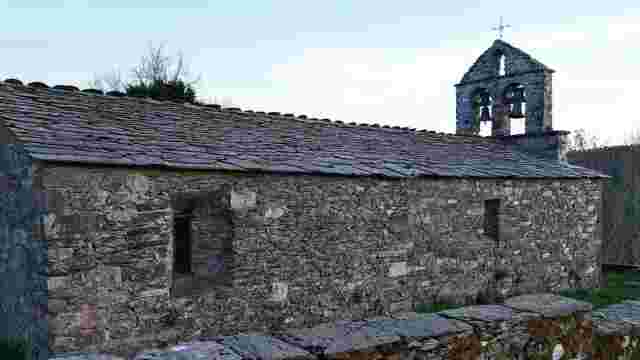
Fonfría
Situated at an altitude of over a thousand meters, this small town offers one of the most authentic, serene, and breathtaking vistas of the Galician high mounta
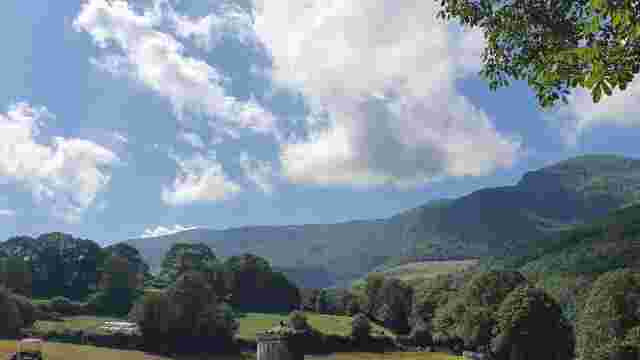
STAGE 28 FONFRÍA - SARRIA
A long route, though primarily downhill, that allows us to reach Sarria and tackle the final 100 km of the Camino de Santiago.
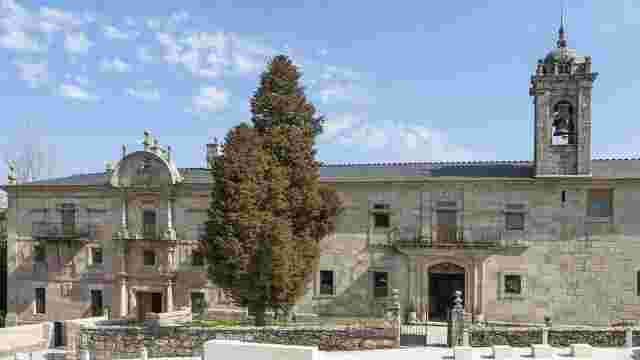
Sarria
Sarria is the Galician gateway to the French Camino. Here, nature, history and the traditional spirit of the Way of St James come together.
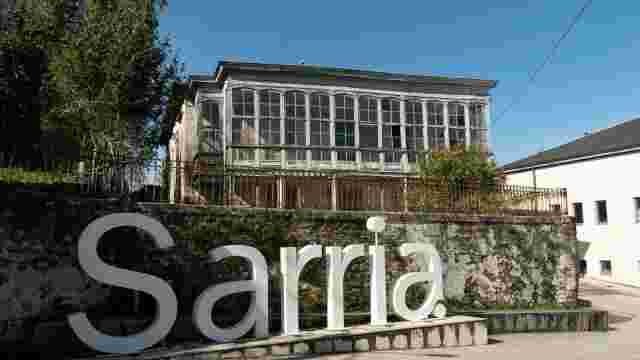
STAGE 29 SARRIA - PORTOMARÍN
Galician nature, peaceful paths, and historic villages mark the beginning of the most popular stretch of the Camino de Santiago.
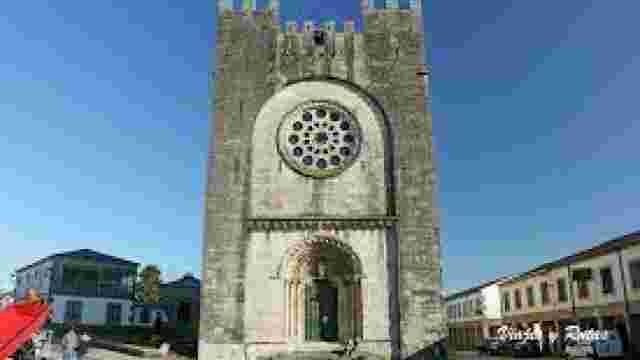
Portomarín
A jewel on the French Way, Portomarín boasts a spectacular Romanesque heritage on the banks of the Miño.
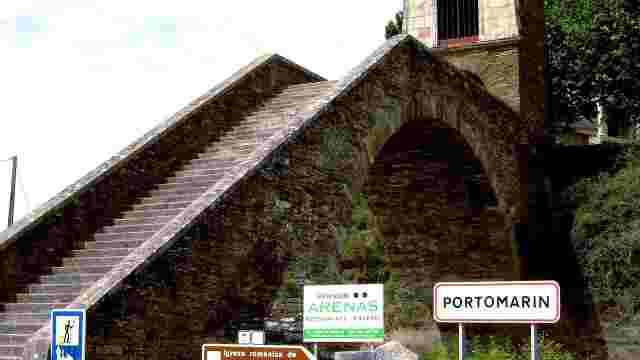
STAGE 30: PORTOMARÍN - PALAS DE REI
A stage winding its way through small villages, forest tracks and pilgrimage traditions, leading to Palas de Rei, in the province of Lugo.
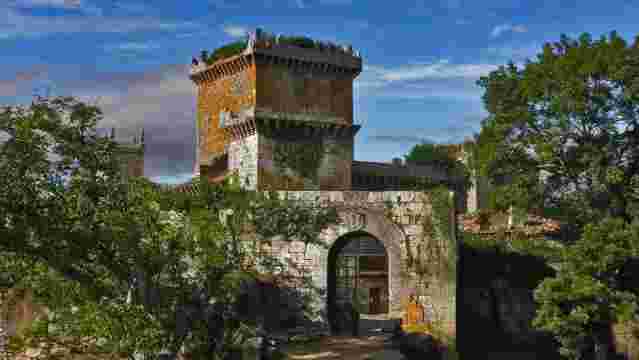
Palas de Rei
Right in the heart of the French Way, Palas de Rei is, according to the Codex Calixtinus, a ‘must-stop resting place’.
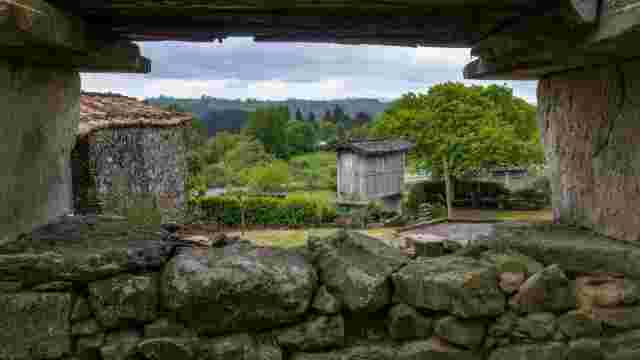
STAGE 31: PALAS DE REI - ARZÚA
A long stage that winds its way through lush forests and charming villages, inviting you to enjoy the Camino at a leisurely pace
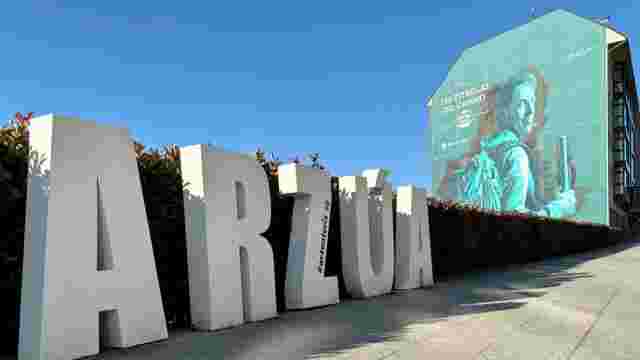
Arzúa
Arzúa is a stop on both the French Way and the Northern Way, making it one of the major towns on the Way of St James.
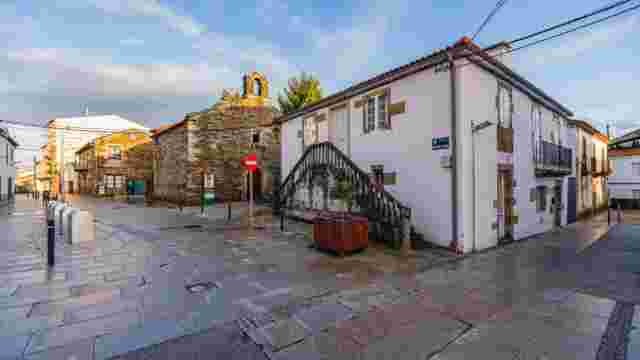
STAGE 32: ARZÚA - O PEDROUZO
This section winds its way through meadows and oak woods, passing through beautiful countryside, to the final stop before Santiago de Compostela.
O Pedrouzo
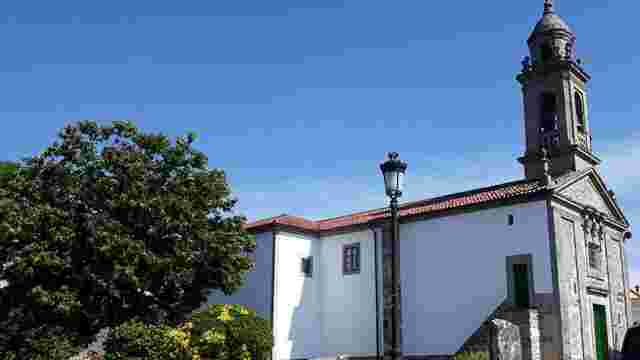
O Pedrouzo is the last stop before reaching the city of the Apostle. It is the perfect place to rest before tackling the final stage of the Camino.
STAGE 33: O PEDROUZO - SANTIAGO DE COMPOSTELA
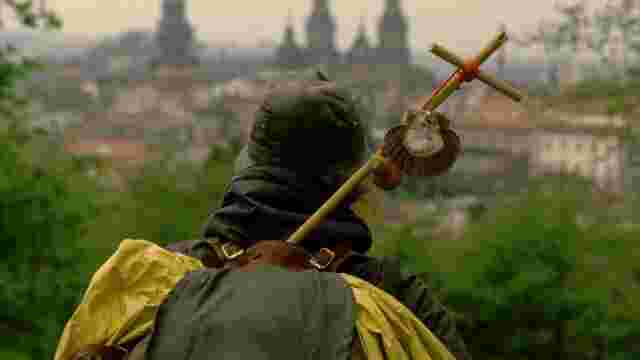
The final stage of the Camino, which follows well-marked paths before ending right in the heart of the Plaza del Obradoiro
Catedral de Santiago de Compostela
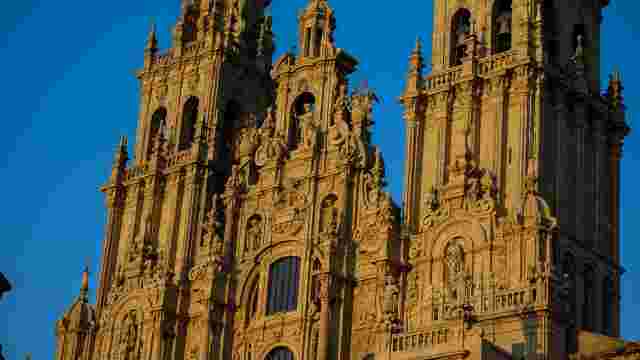
Reaching the Cathedral of Santiago marks the end of the Camino, with its Portico of Glory and Botafumeiro, symbols of history and faith.