Betanzos
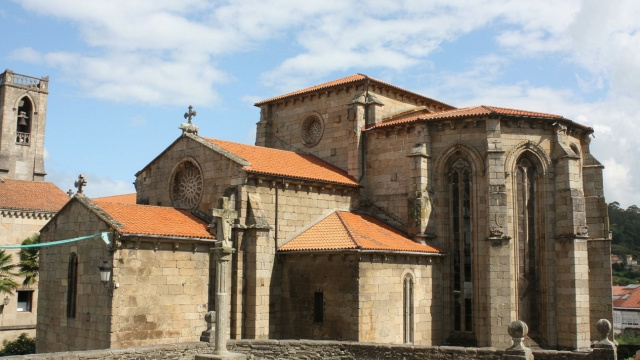
Betanzos was the capital of one of the seven provinces of the former Kingdom of Galicia, which has enabled it to amass a spectacular heritage.
Betanzos is considered the town with the most Gothic heritage in Galicia, with the Church of San Francisco serving as its primary landmark. The collection of sites is completed by the churches of Santa María do Azougue and Santiago. Another major attraction in Betanzos is its renowned method of preparing spanish omelet. The "Betanzos style" is characterized by a soft, runny egg and crispy potatoes, which highlight the quality of the ingredients used.
Ferrol
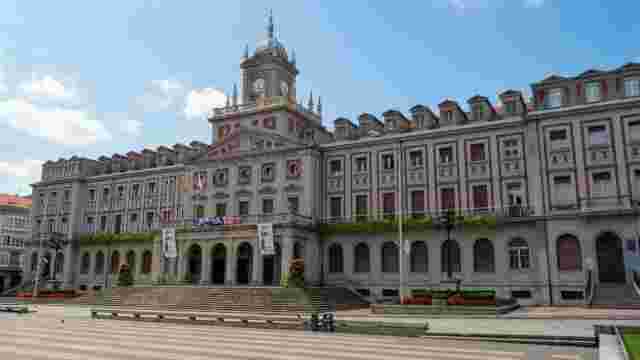
Ferrol, a naval city laid out during the Enlightenment, holds an old fishermen's quarter and a wild coastline of castles, lighthouses and beaches.
STAGE 1 FERROL - O PEREIRO
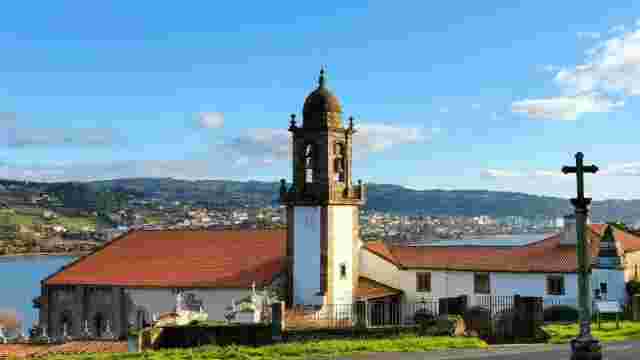
This first stage sets off from Ferrol and follows the coastline before heading south towards inland Galicia, with excellent views over the Ferrol estuary along
O Pereiro
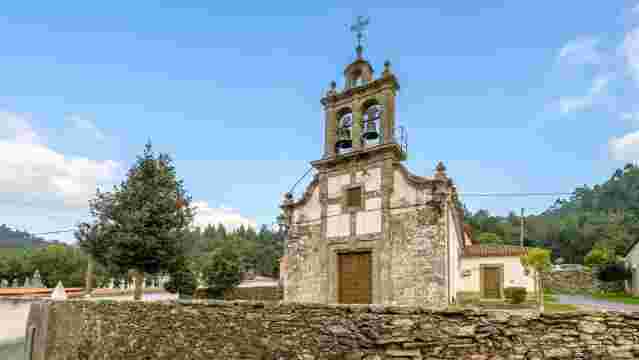
It is a small hamlet situated in the parish of Laraxe, very close to the Ría de Ares, which is notable for its rural setting and traditional architecture.
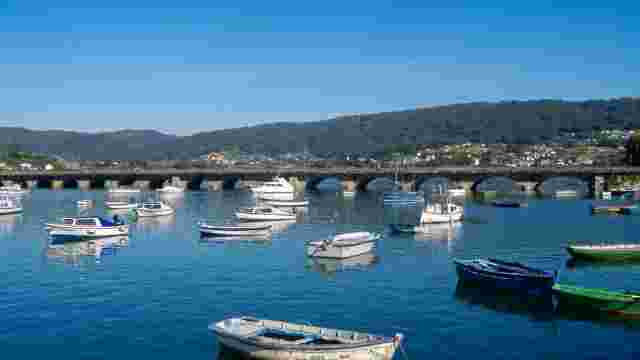
STAGE 2 O PEREIRO - BETANZOS
Today's walk takes in two places with a remarkable history: Pontedeume, halfway through the stage, and Betanzos, where the stage ends.
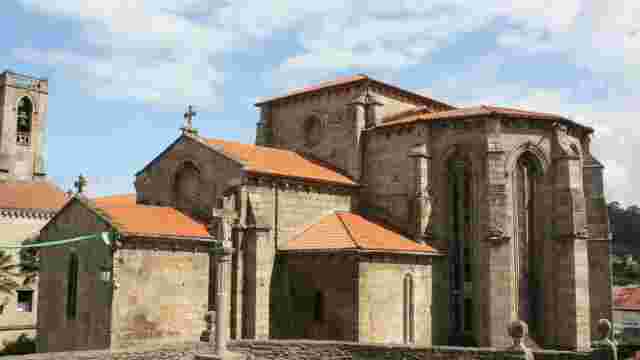
Betanzos
Betanzos was the capital of one of the seven provinces of the former Kingdom of Galicia, which has enabled it to amass a spectacular heritage.
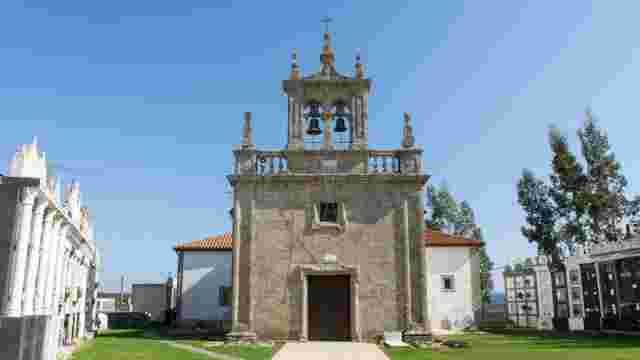
STAGE 3 BETANZOS - HOSPITAL DE BRUMA
For many pilgrims, this is the best stage of the English Way: an entirely rural walk through small villages and unspoilt countryside.
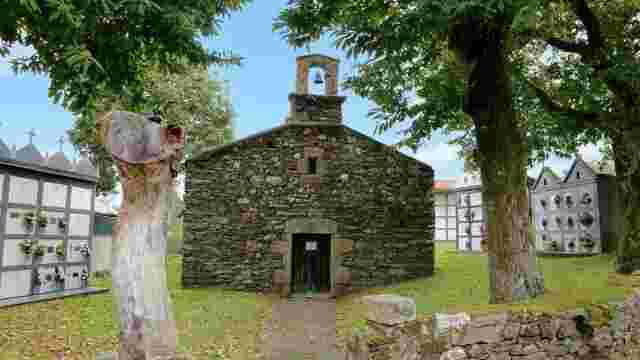
Hospital de Bruma
Hospital de Bruma is one of the most symbolic stops on the English Way, as it is here that the route from Ferrol and the route from A Coruña come together.
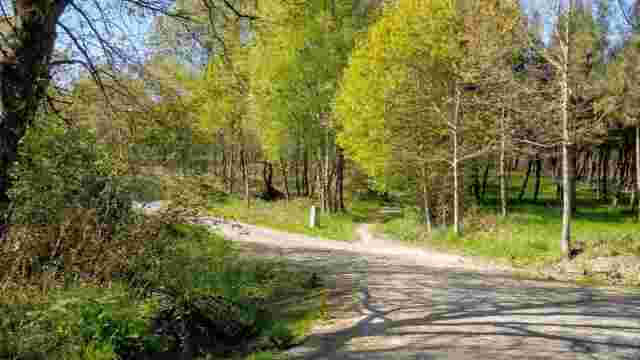
STAGE 4 HOSPITAL DE BRUMA - SIGÜEIRO
Once again, this is a beautiful stage, crossing wide open meadows and secluded woodland that give the route an almost magical feel.
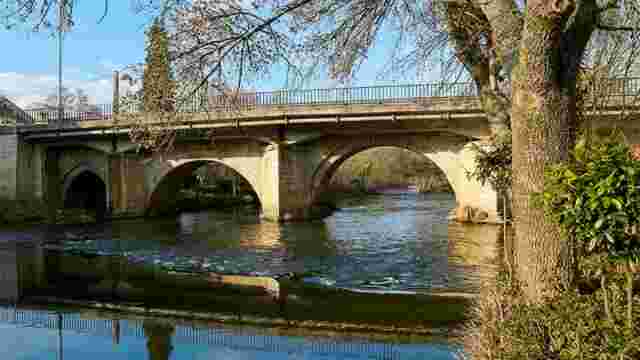
Sigüeiro
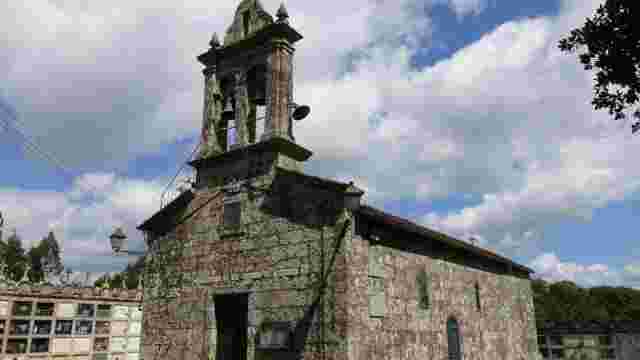
STAGE 5 SIGÜEIRO - SANTIAGO DE COMPOSTELA
This is a short stage that lets you reach Santiago at an easy pace, enjoying the walk. It ends in the famous Praza do Obradoiro, in front of the great Cathedral
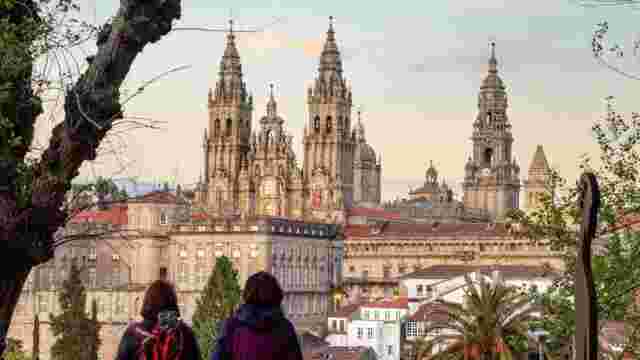
Santiago de Compostela
Santiago de Compostela, a World Heritage Site, welcomes pilgrims at the end of the Camino in a city that has retained its centuries-old character.