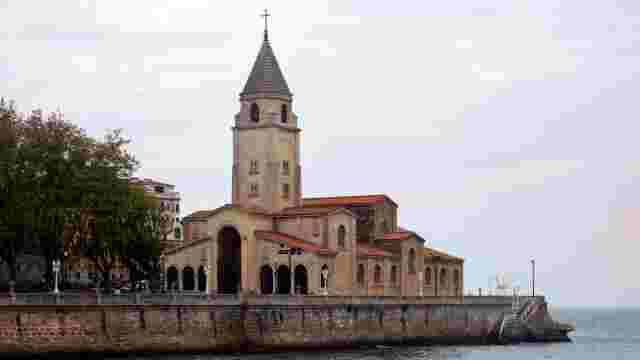
Gijón
Gijón is the most populous city in Asturias, making it a place full of possibilities for the pilgrim.
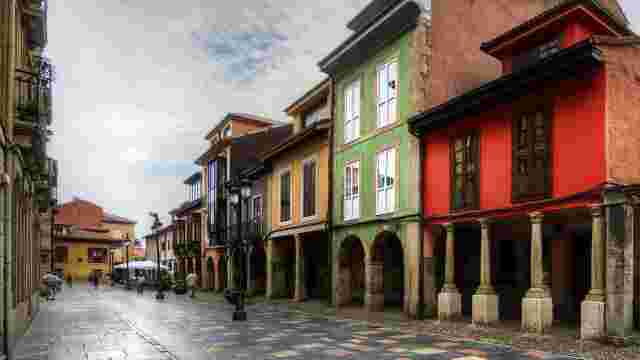
STAGE 1 GIJÓN - AVILÉS
A stage connecting the two major towns of northern Asturias. The landscapes between them are peaceful and rural, contrasting with the two large urban centers.
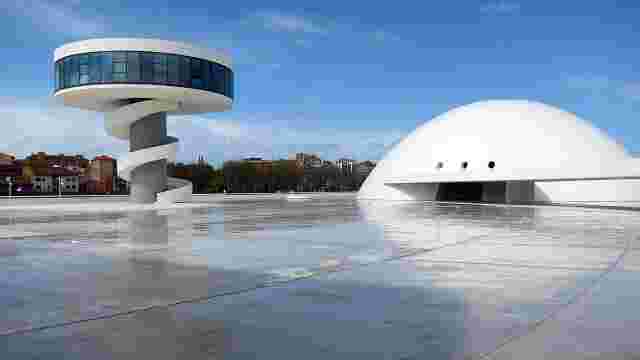
Avilés
Avilés is a town that straddles its medieval heritage and the avant-garde style of Niemeyer.
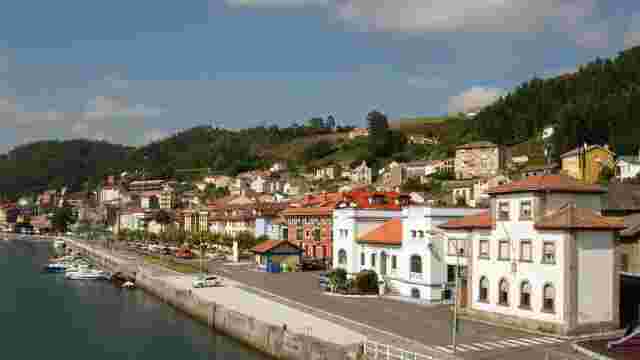
STAGE 2 AVILÉS - MUROS DE NALÓN
We are facing an inland stage that does not present many difficulties, despite featuring several climbs. Muros de Nalón makes the effort of this stage worthwhil
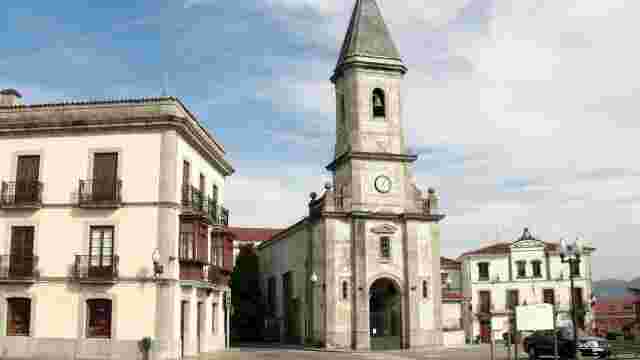
Muros de Nalón
Muros de Nalón is one of the smallest municipalities in Asturias. It offers a perfect setting to enjoy nature before continuing along the Camino.
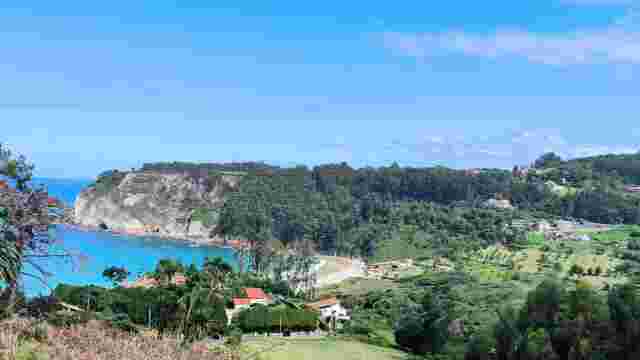
STAGE 3 MUROS DE NALÓN - SOTO DE LUÍÑA
This stage is short but features several changes in elevation that will put the pilgrim to the test. Upon arrival, the extra walk to San Pedro Beach is well wor
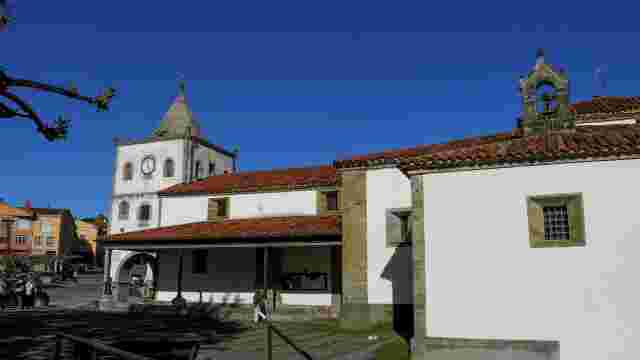
Soto de Luiña
Just minutes away from stunning cliffs, Soto de Luiña stands out for a small yet remarkable heritage ensemble linked to the Camino de Santiago.
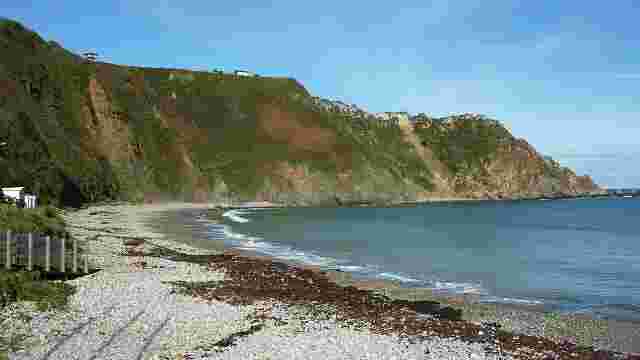
STAGE 4 SOTO DE LUÍÑA - CADAVEDO
Without a doubt, one of the most beautiful stages of the Camino del Norte. It traverses cliffs and beaches where you can rest and even take a swim.
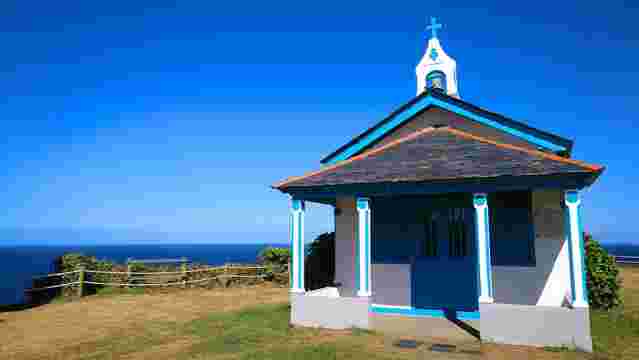
Cadavedo
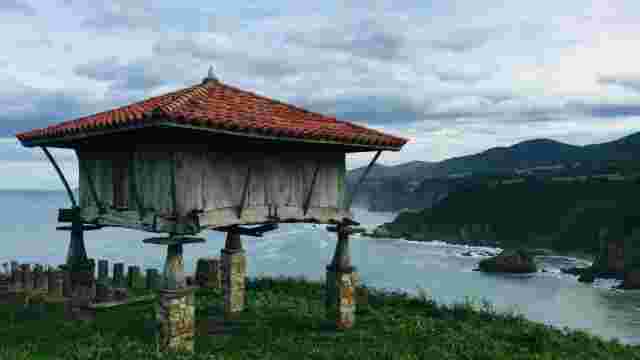
Cadavedo captivates with the dizzying cliffs of La Regalina, its traditional hórreos, and the serene coastal beauty of western Asturias.
STAGE 5 CADAVEDO - LUARCA
Once again, a short but pleasant stage. Although it runs mainly through the interior, the arrival in Luarca—right by the sea—leaves the pilgrim with a good feel
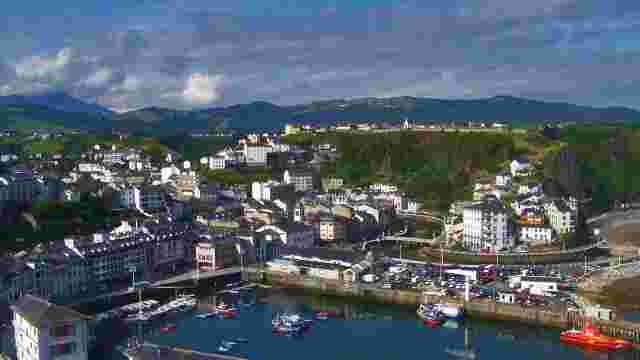
Luarca
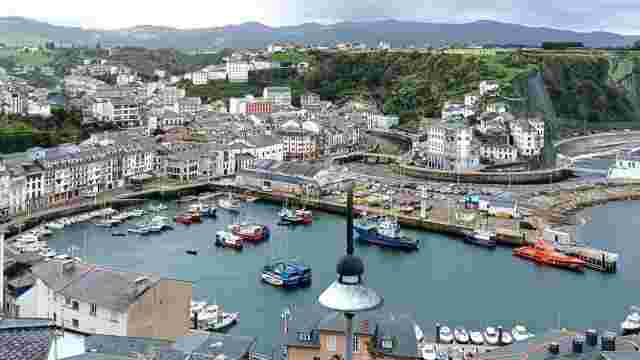
Known as the "White Town of the Costa Verde," Luarca is one of the most dazzling towns in western Asturias, boasting a distinctive character.
STAGE 6 LUARCA - LA CARIDAD
This is a comfortable stage. The route runs inland except at Navia and allows for stops in various towns to rest and replenish your energy.
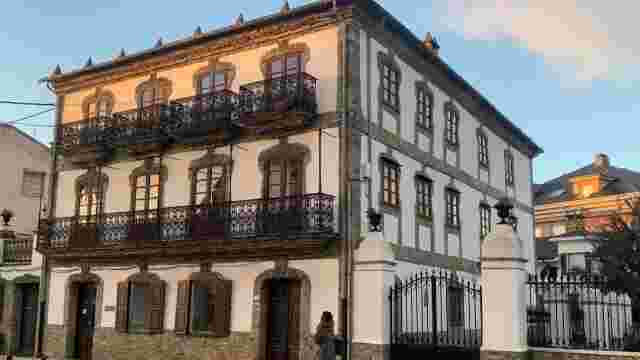
La Caridad
One of the most welcoming and revitalizing stops on the Northern Way of the Camino de Santiago during its final stretch through Asturian territory.
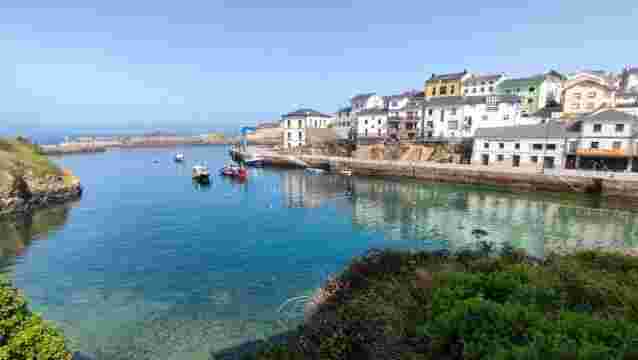
STAGE 7 LA CARIDAD - RIBADEO
A flat but very beautiful stage, especially along the sections where we come very close to the coast and can admire beaches, cliffs, and harbors.
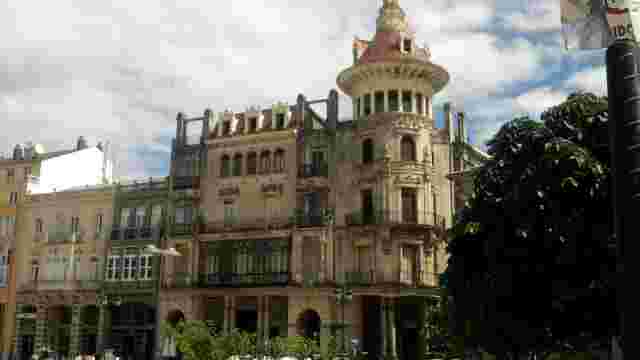
Ribadeo
Ribadeo is the impressive coastal town that welcomes visitors to Galicia from the Cantabrian Sea and marks a key stop on the Northern Way of the Camino de Santi
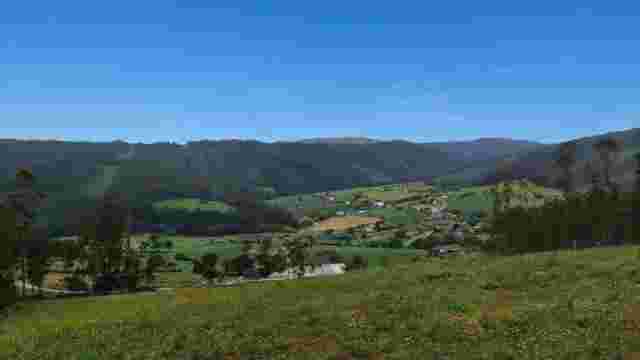
STAGE 8 RIBADEO - GONDÁN
On today's stage, we leave the coast and begin walking through the Galician interior. The route becomes more rugged and, above all, rural.
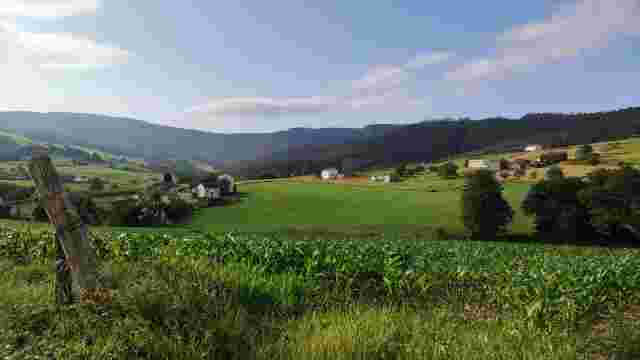
Gondán
This small settlement serves as the end of the stage for pilgrims coming from Ribadeo.
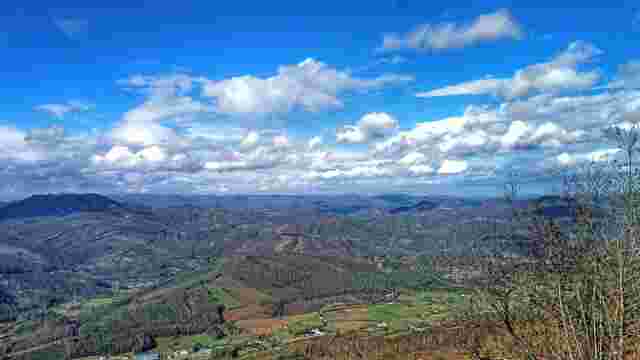
STAGE 9 GONDÁN - MONDOÑEDO
Today's route is short but very beautiful. The main advantage of this slightly shorter stage is the opportunity to enjoy historic Mondoñedo.
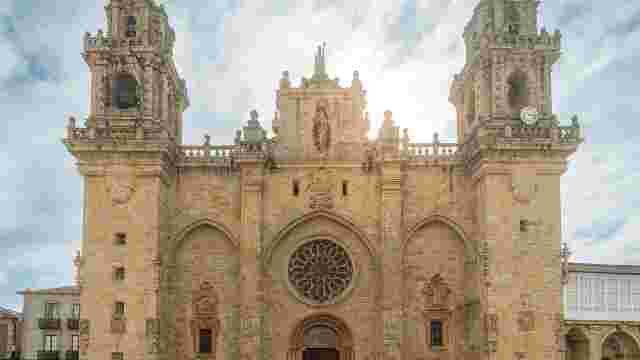
Mondoñedo
Mondoñedo is one of the most impressive stops on the Northern Way, with its Cathedral of the Assumption as its main attraction for visitors.
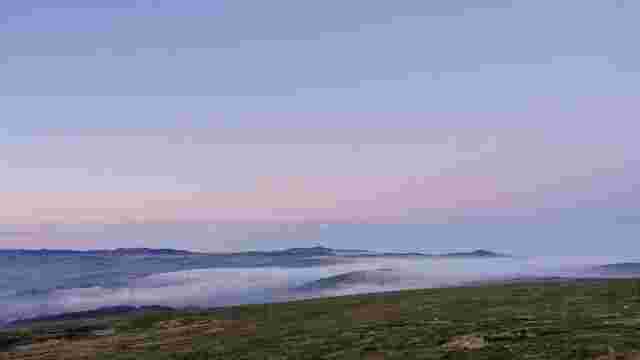
STAGE 10 ETAPA MONDOÑEDO - ABADÍN
We will be ascending throughout the entire stage, allowing us to reach the Galician interior plateau known as Terra Chá (Flat Land)
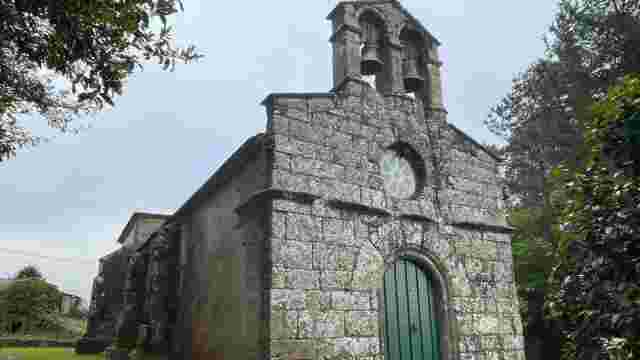
Abadín
Abadín lies in the shelter of the Serra do Xistral, a land of wild horses. It is a small village, but it offers a chance to rest before heading into Galicia.
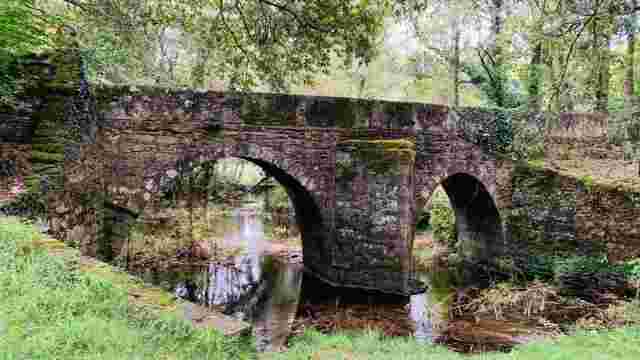
STAGE 11 ABADÍN - VILALBA
It is a pleasant, flat, and undemanding stage that unfolds peacefully amidst endless meadows and centuries-old oak groves.
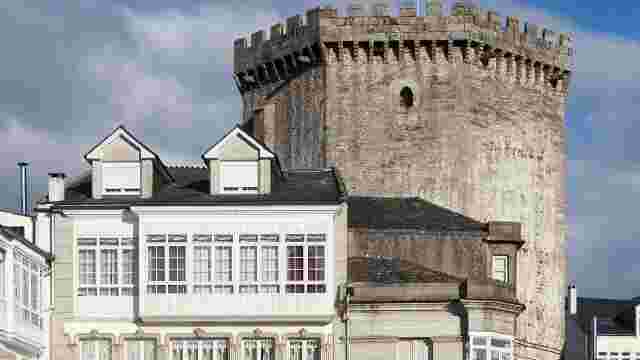
Vilalba
Vilalba’s undisputed symbol is the Torre de los Andrade, which towers over the whole town and amazes pilgrims who complete this stage here.
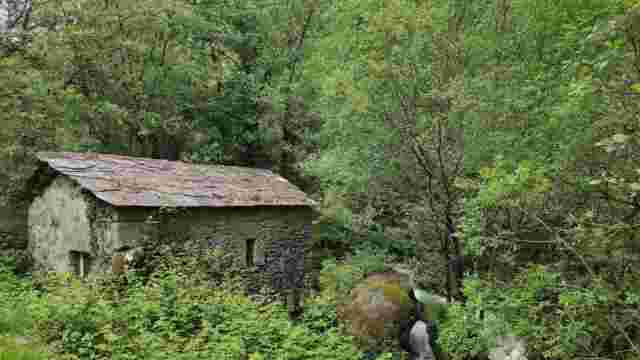
STAGE 12 VILALBA - BAAMONDE
Today, the pilgrim walks flanked by small groves of chestnut and oak trees and numerous livestock pastures until reaching the quiet town of Baamonde.
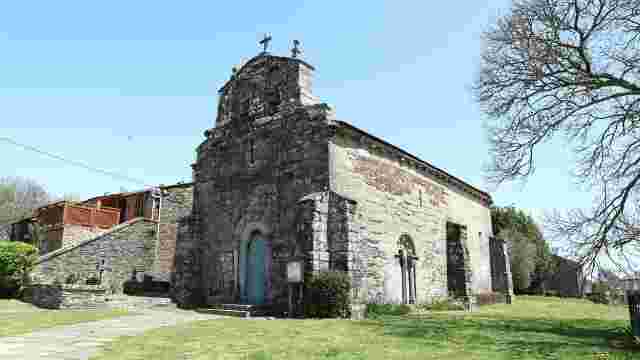
Baamonde
Baamonde is graced by the rivers Parga and Ladra, two small watercourses that make this spot an oasis of tranquillity on the Way of St James.
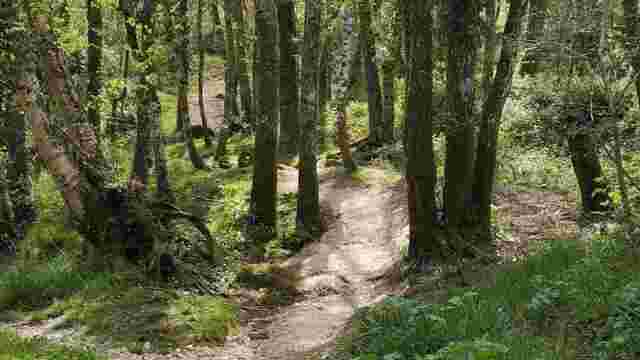
STAGE 13 BAAMONDE - MIRAZ
This stage is very similar to the previous one, passing through solitary yet beautiful landscapes. Meadows and small groves are the dominant features.
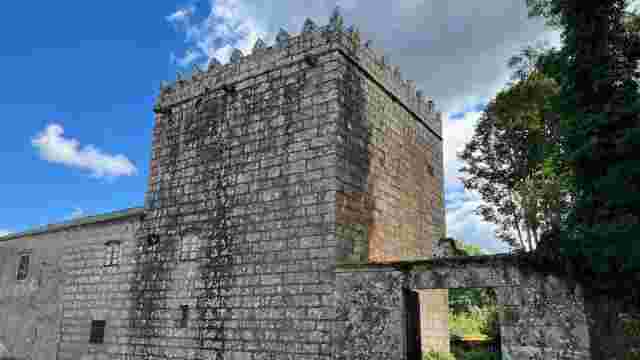
Miraz
This humble village boasts an impressive historical heritage, dominated by the Miraz Tower and the San Paio de Narla Tower.
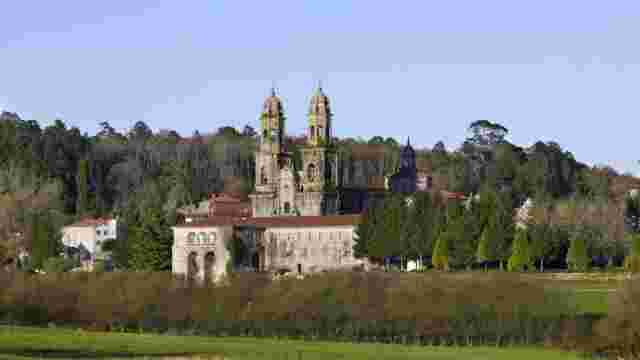
STAGE 14 MIRAZ - SOBRADO DOS MONXES
One of the most mystical and scenically evocative days of the route that leads the pilgrim to one of the Camino's most emblematic monasteries.
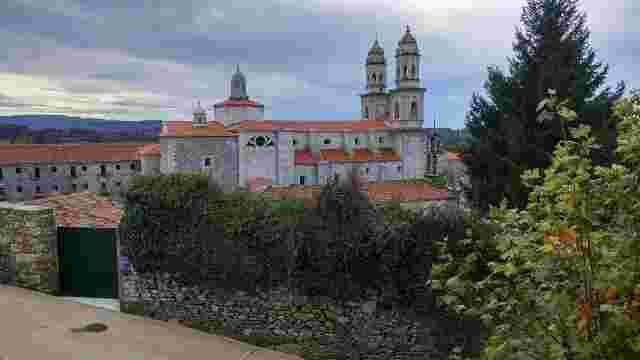
Sobrado dos Monxes
Sobrado dos Monxes is an unmissable stop on the Northern Way. Its Monastery of Santa María, a World Heritage Site, is a jewel of the Camino.
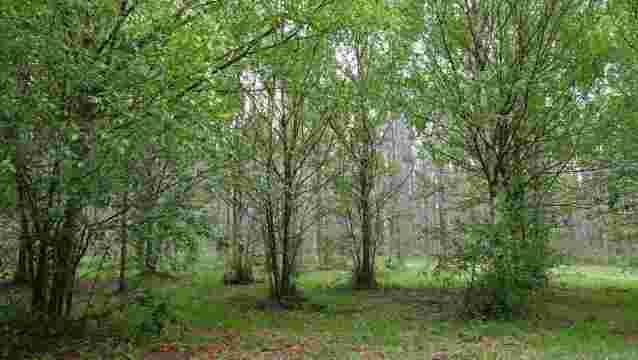
STAGE 15 SOBRADO DOS MONXES - ARZÚA
It is the final stage before the Camino joins the main pilgrimage route, the Camino Francés, so the pilgrim should enjoy the solitude.
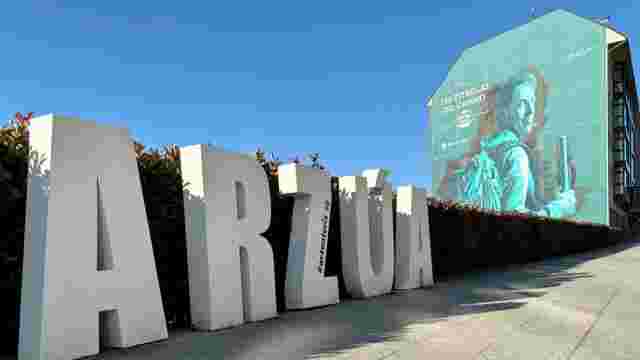
Arzúa
Arzúa is a stop on both the French Way and the Northern Way, making it one of the major towns on the Way of St James.
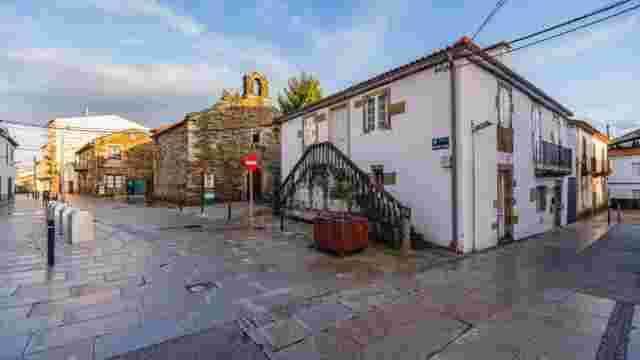
STAGE 16 ARZÚA - O PEDROUZO
This section winds through meadows and oak groves, traversing beautiful landscapes, until it reaches the last stop before Santiago de Compostela.
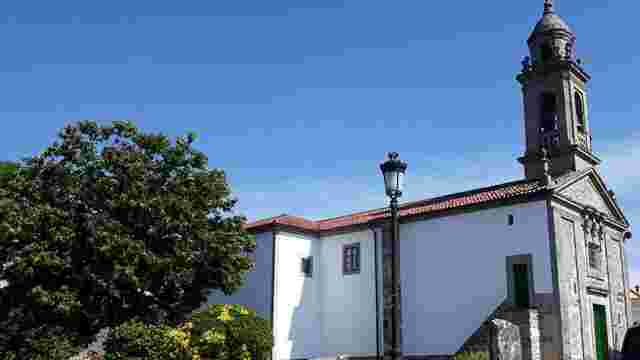
O Pedrouzo
O Pedrouzo is the last stop before reaching the city of the Apostle. It is the perfect place to rest before tackling the final stage of the Camino.
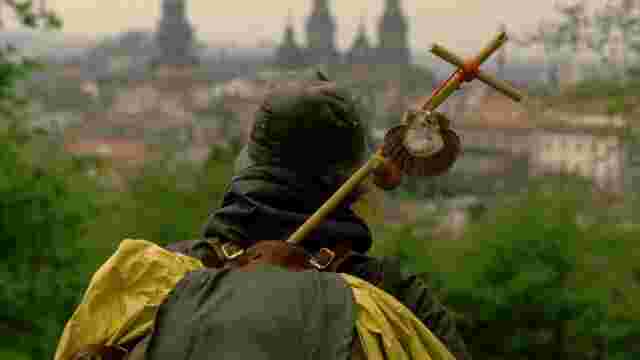
STAGE 17: O PEDROUZO - SANTIAGO DE COMPOSTELA
The final stage of the Camino, leading along well-marked paths to culminate right in the Plaza del Obradoiro.
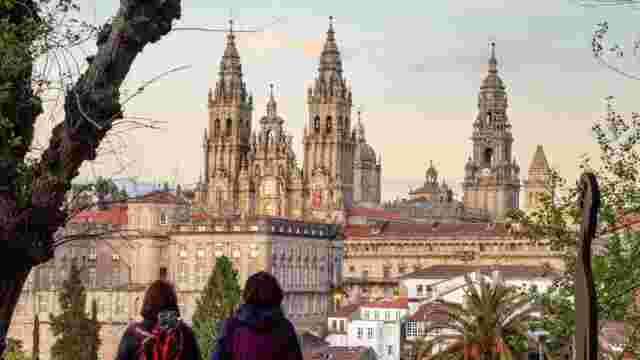
Santiago de Compostela
Santiago de Compostela, a World Heritage Site, welcomes pilgrims at the end of the Camino in a city that has retained its centuries-old character.