Pontevedra
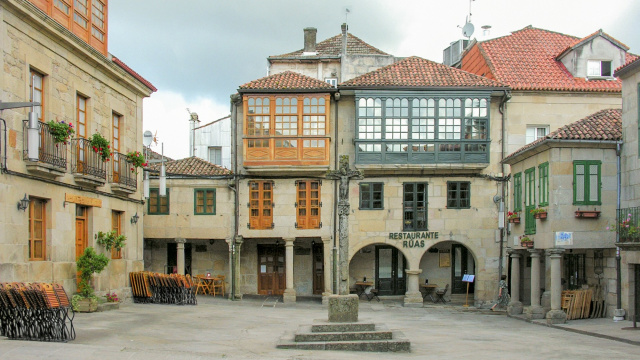
Pontevedra is a city rich in monuments, art and history. Its historic centre is the second most important in Galicia, after that of Santiago de Compostela.
Pontevedra is renowned for its wealth of historic monuments, notably several of its medieval squares such as the Plaza de la Leña. Its religious heritage is also remarkable, with the Basilica of Santa María la Mayor and the Gothic ruins of Santo Domingo standing out as prime examples. The city’s historical significance is reflected in the number of stately homes bearing coats of arms scattered throughout the city, such as the Casa de las Campanas. The Portuguese Way forms part of this heritage, and Pontevedra is an essential stop on the route. A visit to the 18th-century Church of the Virgen Peregrina is a must for pilgrims.
Tui
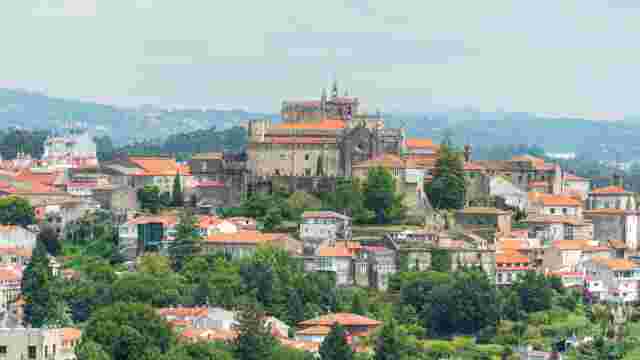
Tui charms visitors with its medieval old town, the Cathedral of Santa María and the views of the River Miño, right on the border with Portugal.
STAGE 1: TUI - REDONDELA
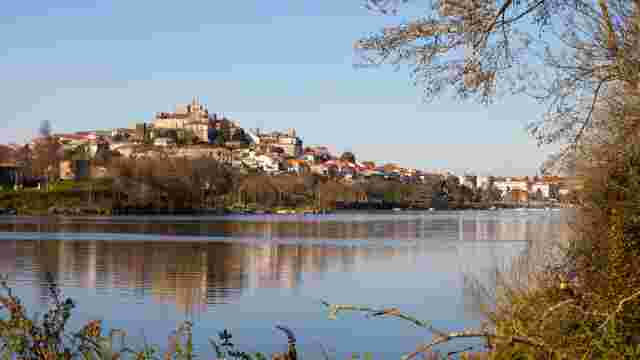
This first stage begins on the banks of the Miño and winds its way through beautiful wooded landscapes until it reaches the shores of the Vigo Estuary
Redondela
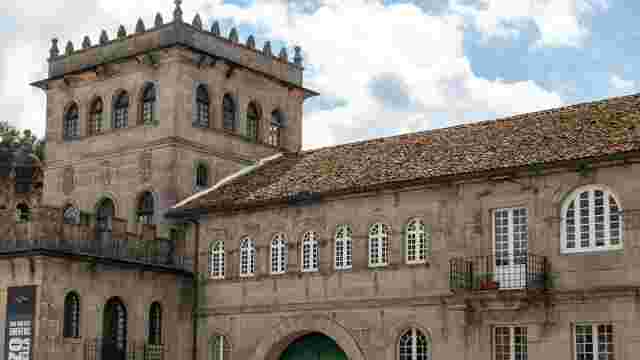
Known as the ‘Town of Viaducts’ because of the majestic 19th-century railway structures that characterise its urban landscape.
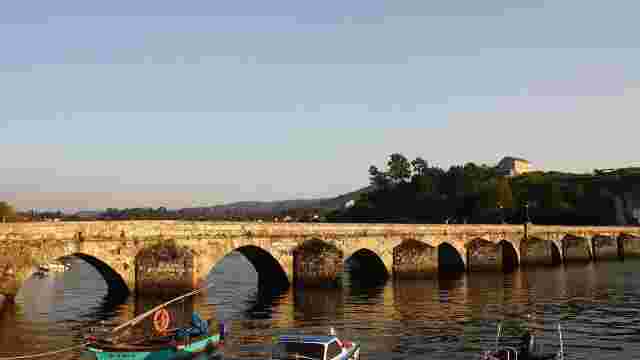
STAGE 2: REDONDELA - PONTEVEDRA
The first part of this stage runs along the banks of the Vigo Estuary, before passing through several typical Galician villages and finishing in Pontevedra.
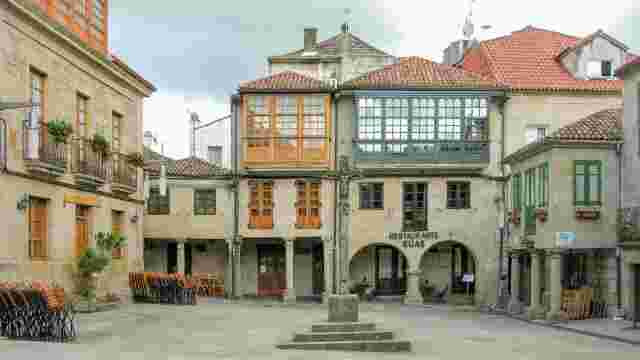
Pontevedra
Pontevedra is a city rich in monuments, art and history. Its historic centre is the second most important in Galicia, after that of Santiago de Compostela.
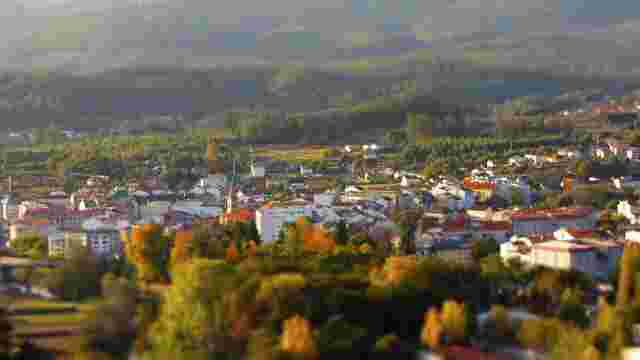
STAGE 3: PONTEVEDRA - CALDAS DE REIS
A pleasant, green transitional stage, combining eucalyptus forests and vineyards with the thermal spa experience offered by Caldas de Reis at the end of the rou
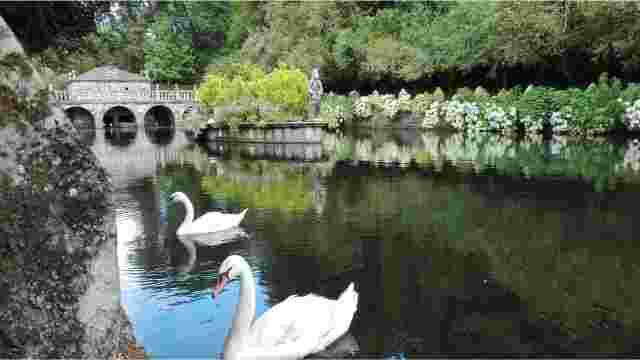
Caldas de Reis
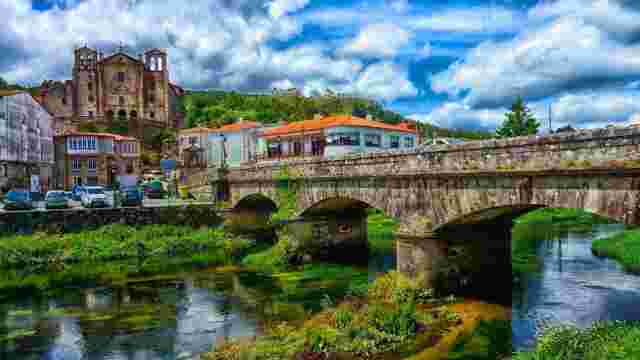
It is a Galician town known for its thermal springs and its significance as a stop on the Way of St James.
STAGE 4: CALDAS DE REIS - PADRÓN
A pleasant, wooded stage with a rich tradition of the Way of St James in Padrón, featuring windmills, the River Valga and outstanding local cuisine.
Padrón
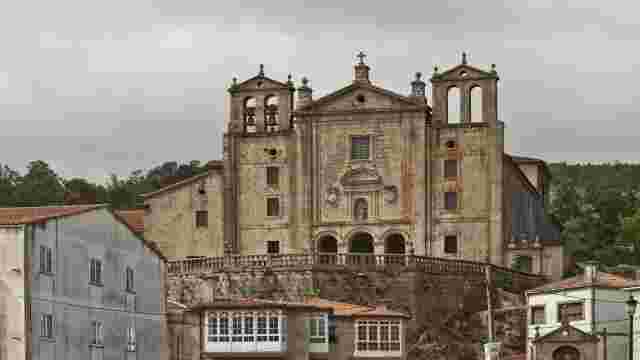
Traditionally regarded as the place where St James the Apostle arrived, and renowned for its cuisine, particularly its famous Padrón peppers.
STAGE 5: PADRÓN - SANTIAGO DE COMPOSTELA
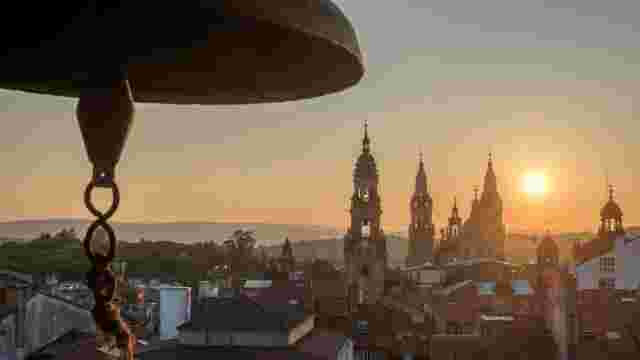
This is the final stretch of the Portuguese Way, an emotional journey that winds its way through villages, woods and gentle climbs until it reaches Santiago Cat
Santiago de Compostela
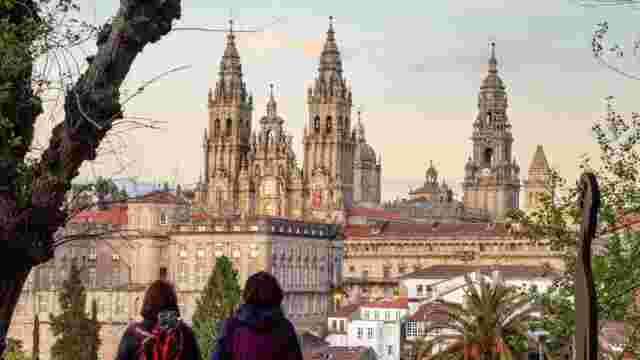
Santiago de Compostela, a World Heritage Site, welcomes pilgrims at the end of the Camino in a city that has retained its centuries-old character.