Palas de Rei
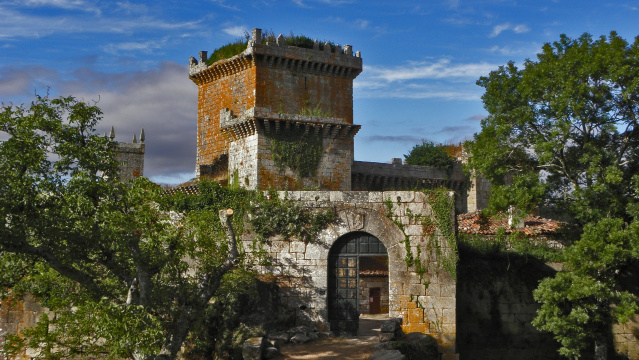
Right in the heart of the French Way, Palas de Rei is, according to the Codex Calixtinus, a ‘must-stop resting place’.
Palas de Rei is situated in the region of A Ulloa, in the province of Lugo. Its name, linked to ancient royal residences, reflects the historical importance of this area since the Middle Ages. The municipality boasts a rich cultural heritage, notably featuring Romanesque churches such as San Tirso and numerous manor houses and traditional buildings scattered across its rural landscape. Nearby lies Pambre Castle, one of the best-preserved medieval fortresses in Galicia, which transports visitors back to another era.
Astorga
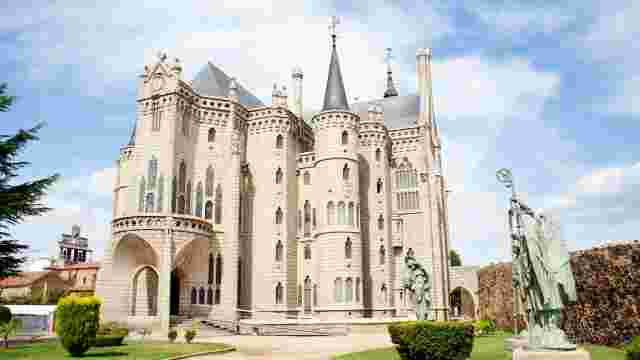
An unmissable stop on the Way of St James, Astorga captivates visitors with its imposing cathedral, Gaudí’s palace and its rich Roman heritage.
STAGE 1 ASTORGA - RABANAL DEL CAMINO
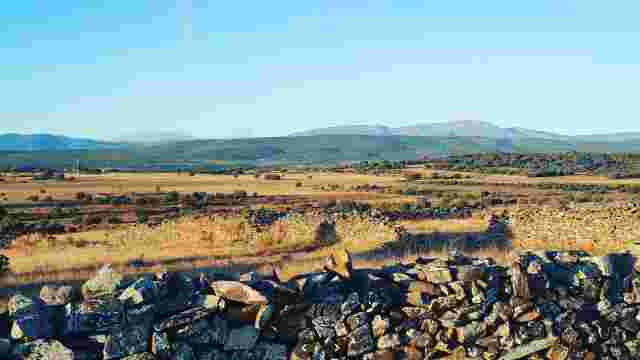
The route from Astorga to Rabanal del Camino follows a gentle slope as it takes us into the Montes de León, offering views of great beauty.
Rabanal del Camino
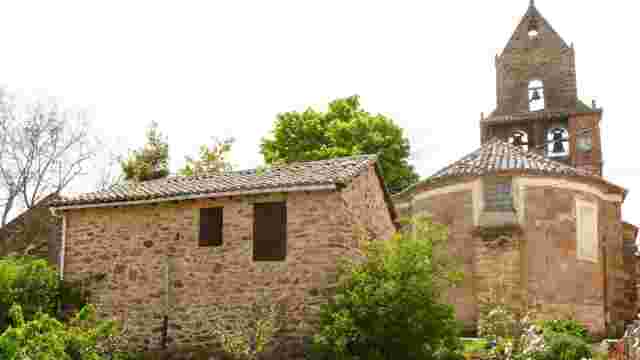
This small village, with its traditional stone and timber architecture, is notable for being a key landmark for pilgrims travelling along the French Way.
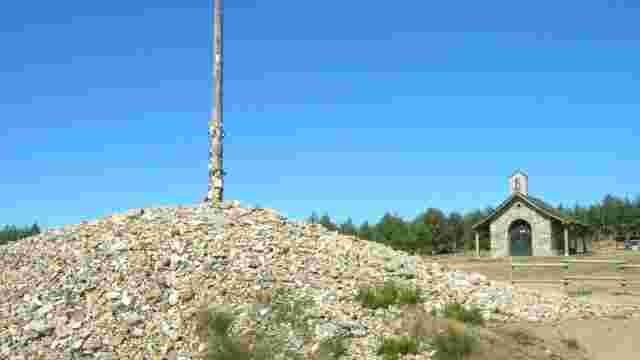
STAGE 2 RABANAL DEL CAMINO - PONFERRADA
Today’s stage reaches an altitude of 1,500 metres, so in winter you need to be well prepared to tackle it. The effort is rewarded with a unique panoramic view.
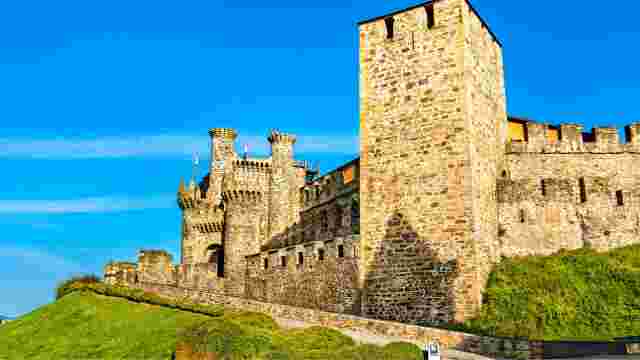
Ponferrada
Ponferrada, in the heart of the Bierzo region, has a history linked to both the Camino de Santiago and the legendary Knights Templar.
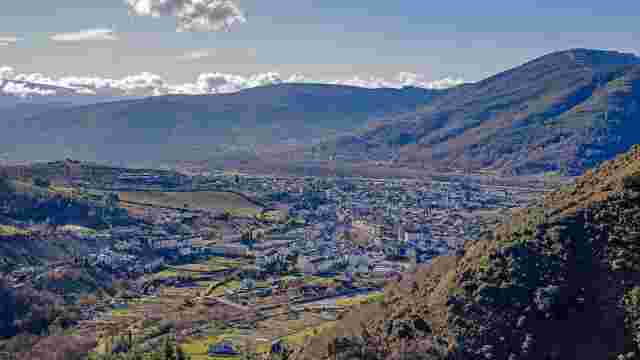
STAGE 3 PONFERRADA - VILAFRANCA DEL BIERZO.
Today, the Camino runs through the Bierzo region—with mountains constantly in the background—along paths that are easier than those of previous days.
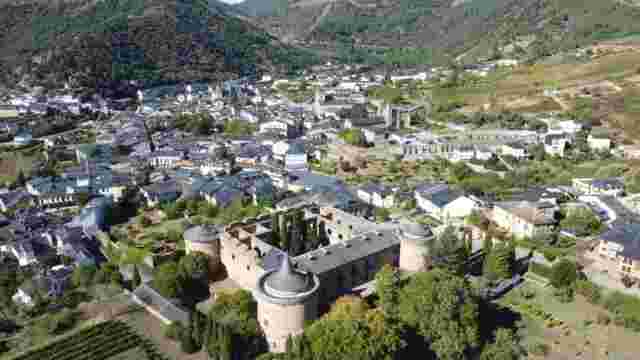
Villafranca del Bierzo
The Camino de Santiago is so important to this town that it is often referred to as "Little Compostela."
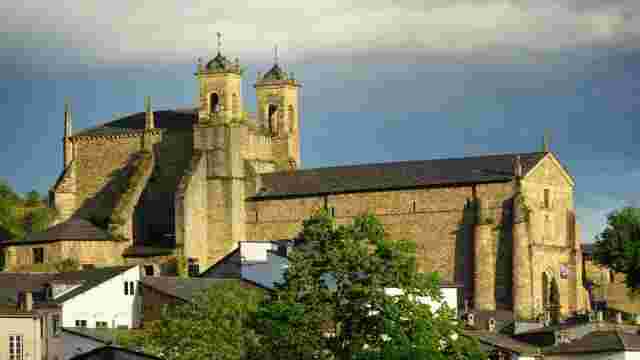
STAGE 4 VILLAFRANCA DEL BIERZO - LAS HERRERÍAS
One of the legendary stages of the Camino that allows us to enter Galicia. Its steady ascent makes it the "Queen stage" of the route to Santiago.
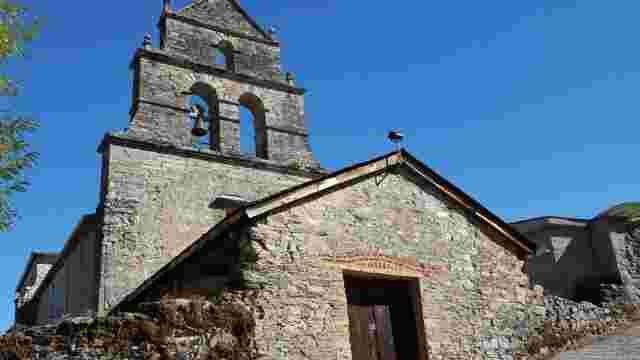
Las Herrerías
This small place takes its name from the various ironworks and forges that, since the 17th century, processed the metal extracted from the mountains.
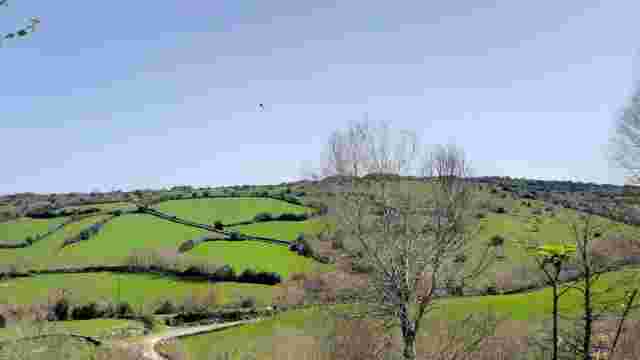
STAGE 5 LAS HERRERÍAS - FONFRÍA
This stage features a beautiful uphill section that ends at O Cebreiro, after which we enjoy the mountainous stretches before beginning the descent.
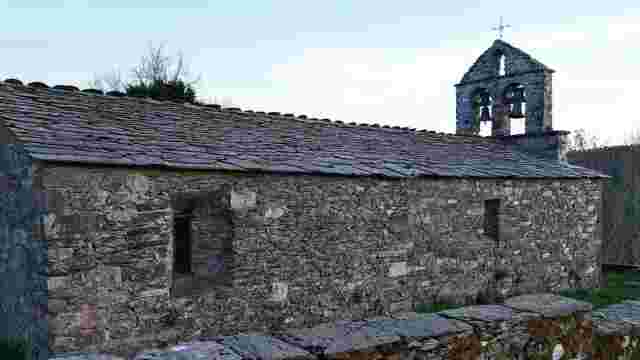
Fonfría
Situated at an altitude of over a thousand meters, this small town offers one of the most authentic, serene, and breathtaking vistas of the Galician high mounta
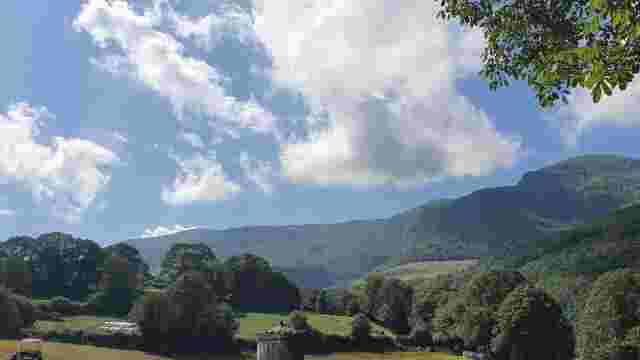
STAGE 6 FONFRÍA - SARRIA
A long route, though primarily downhill, that allows us to reach Sarria and tackle the final 100 km of the Camino de Santiago.
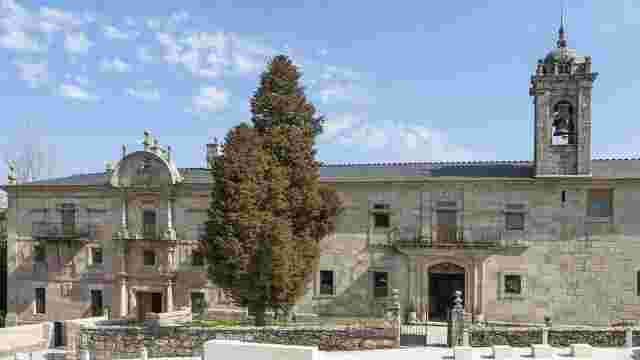
Sarria
Sarria is the Galician gateway to the French Camino. Here, nature, history and the traditional spirit of the Way of St James come together.
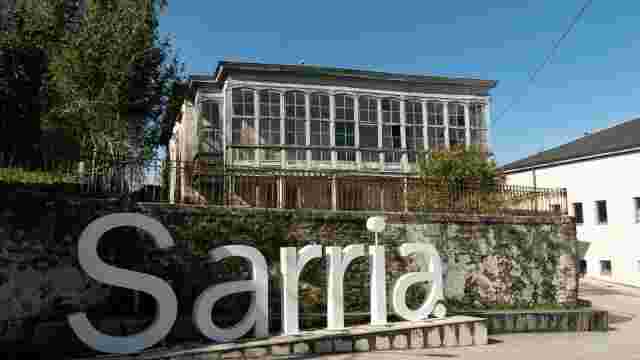
STAGE 7 SARRIA - PORTOMARÍN
Galician nature, peaceful paths, and historic villages mark the beginning of the most popular stretch of the Camino de Santiago.
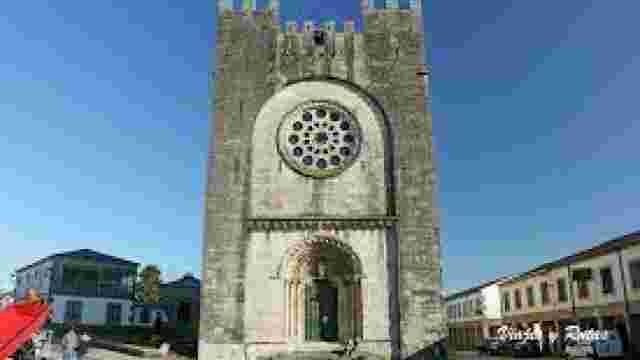
Portomarín
A jewel on the French Way, Portomarín boasts a spectacular Romanesque heritage on the banks of the Miño.
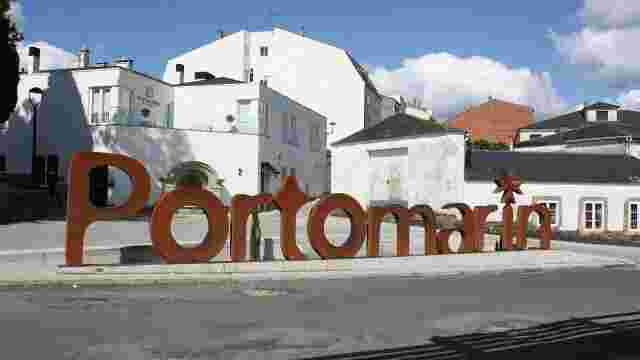
STAGE 8 PORTOMARÍN - PALAS DE REI
A stage winding through small villages, forest tracks, and pilgrimage tradition, leading to Palas de Rei in the province of Lugo.
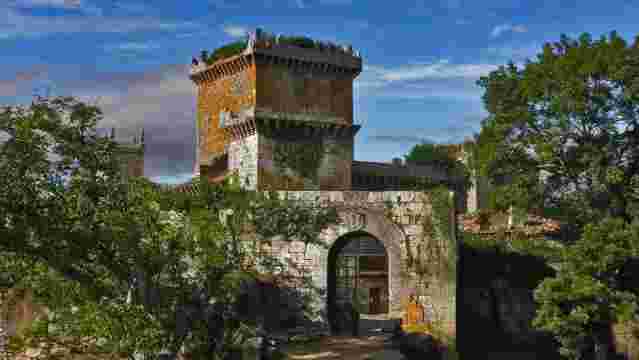
Palas de Rei
Right in the heart of the French Way, Palas de Rei is, according to the Codex Calixtinus, a ‘must-stop resting place’.
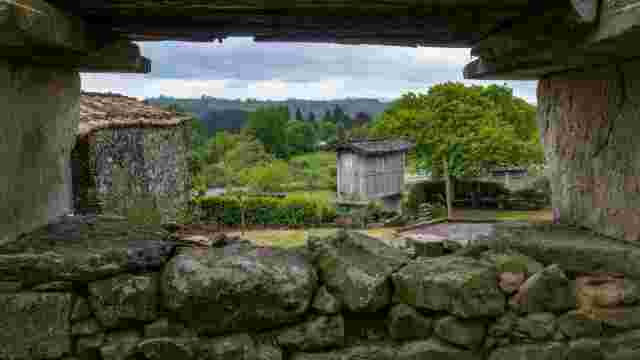
ETAPA 9 PALAS DE REI - ARZÚA
A long stage that winds through lush forests and charming villages, inviting you to enjoy the Camino at a leisurely pace.
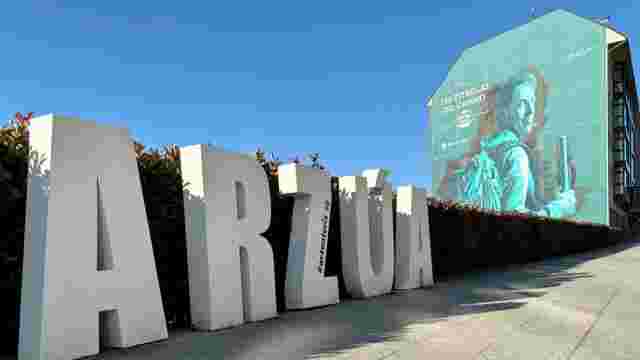
Arzúa
Arzúa is a stop on both the French Way and the Northern Way, making it one of the major towns on the Way of St James.
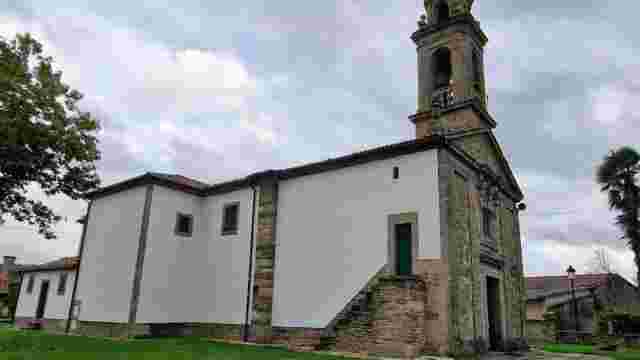
STAGE 10 ARZÚA - O PEDROUZO
This section winds through meadows and oak groves, traversing beautiful landscapes, until it reaches the final stop before Santiago de Compostela.
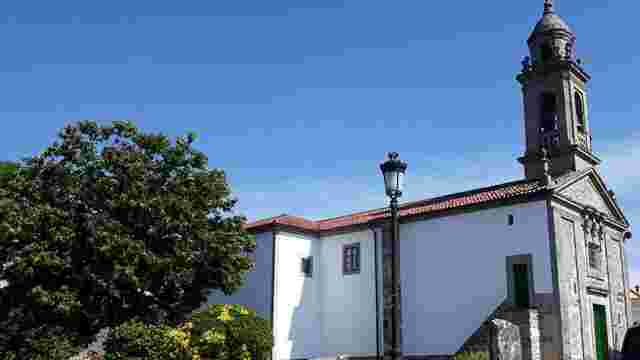
O Pedrouzo
O Pedrouzo is the last stop before reaching the city of the Apostle. It is the perfect place to rest before tackling the final stage of the Camino.
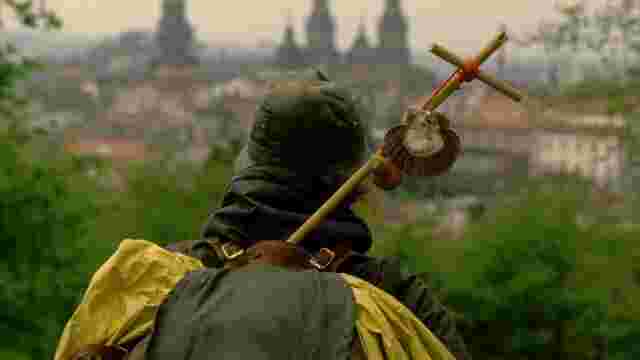
STAGE 11 O PEDROUZO - SANTIAGO DE COMPOSTELA
The final stage of the Camino, leading along well-marked paths to culminate right in the Plaza del Obradoiro.
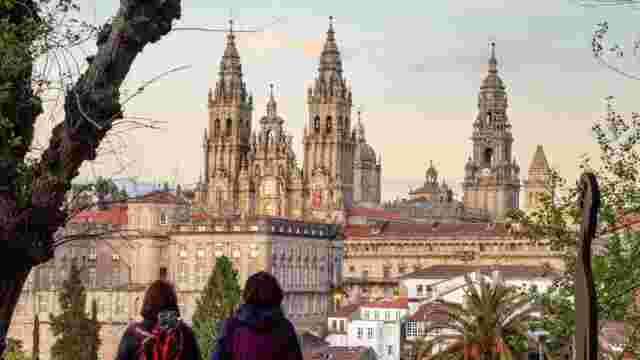
Santiago de Compostela
Santiago de Compostela, a World Heritage Site, welcomes pilgrims at the end of the Camino in a city that has retained its centuries-old character.