Vigo
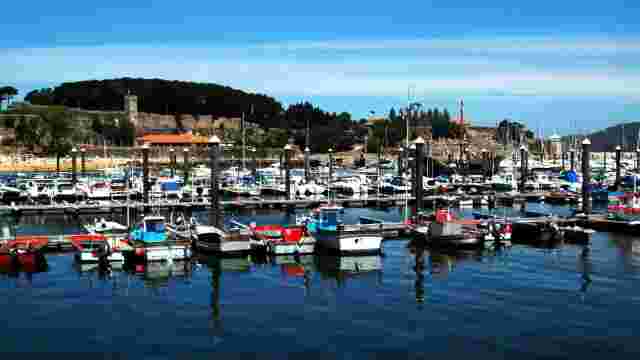
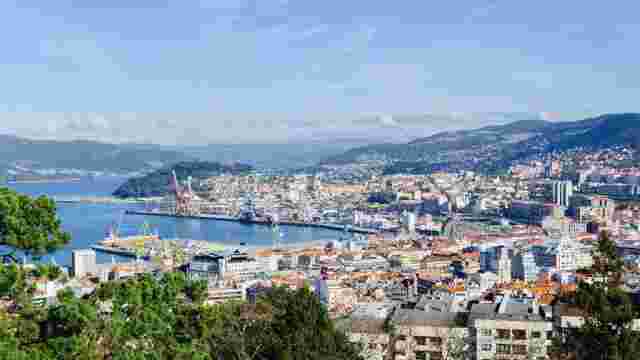
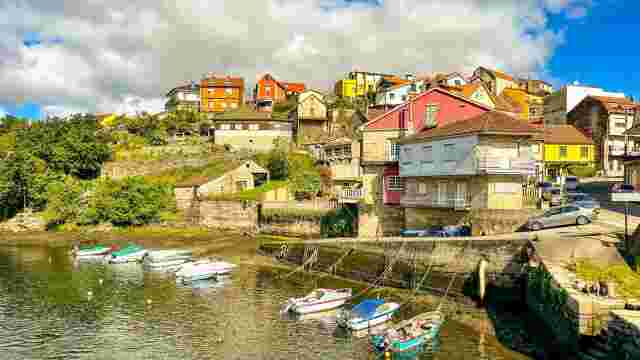
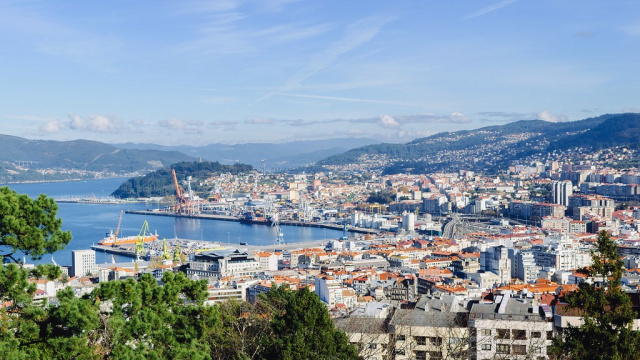
The city of Vigo is the most populous urban centre in the autonomous community of Galicia and the main socio-economic driving force of the Rías Baixas. Geographically, the municipality is characterised by rugged, coastal terrain that rises steeply from sea level to altitudes exceeding 100 metres within its urban fabric, creating a topography of steep streets and natural viewpoints. From an economic perspective, Vigo stands out for its distinct industrial and maritime character; its port is one of the world’s leading centres for the trade in fresh fish for human consumption and forms the basis of a thriving seafood processing industry, shipyards and a highly automated automotive sector.
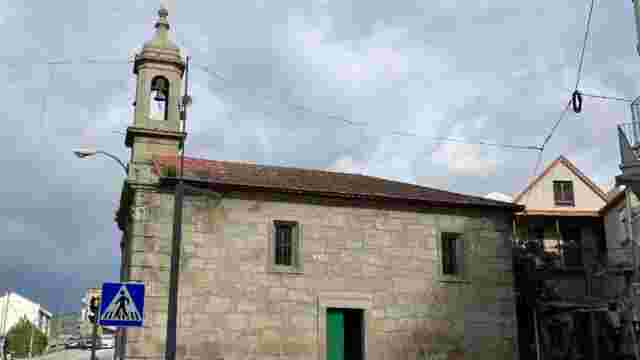
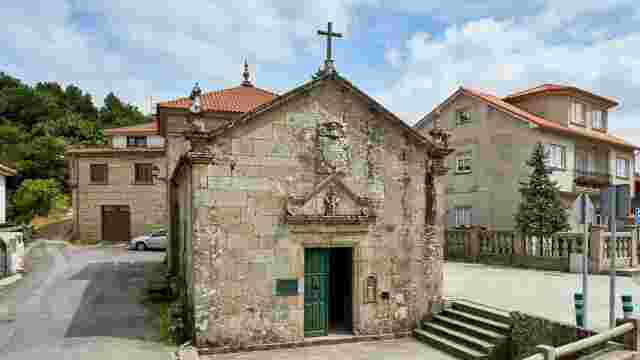
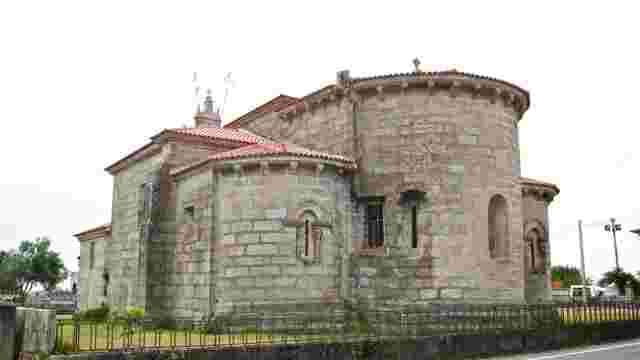
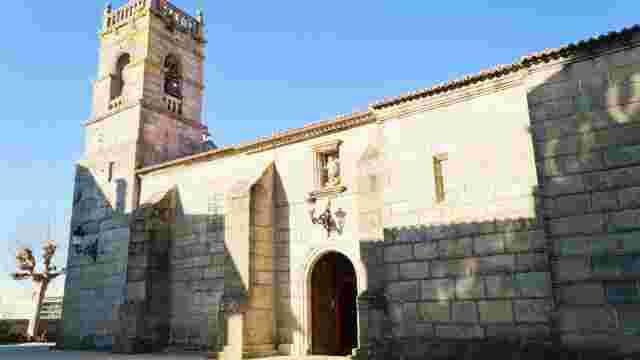
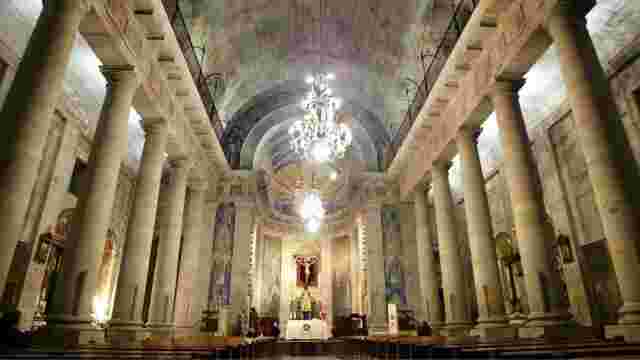
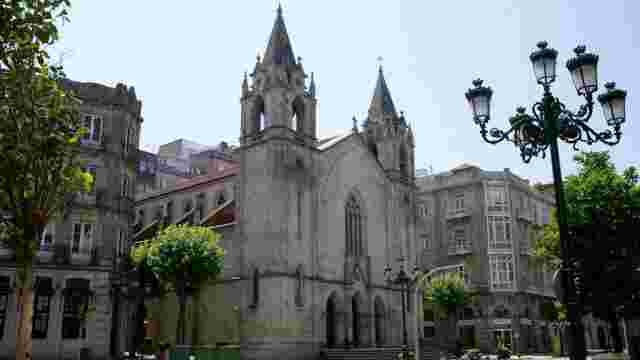
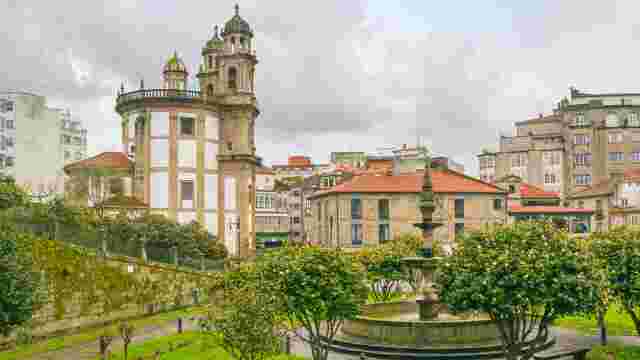
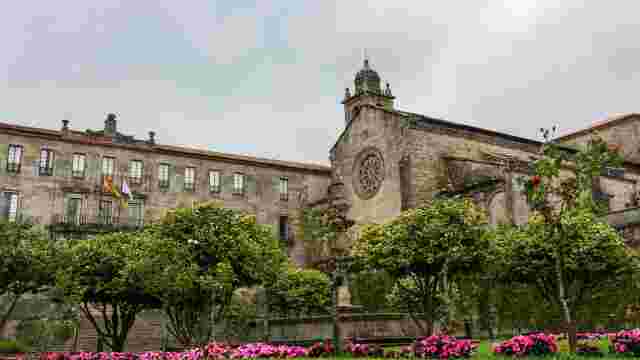
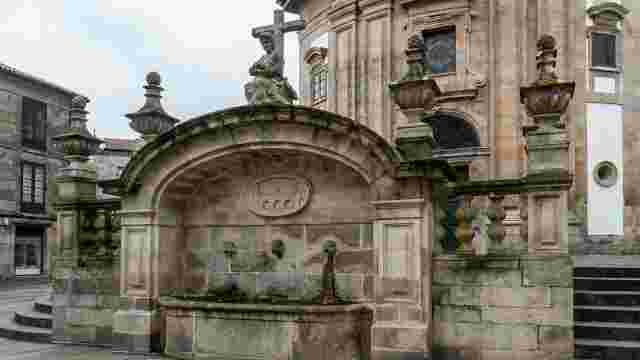
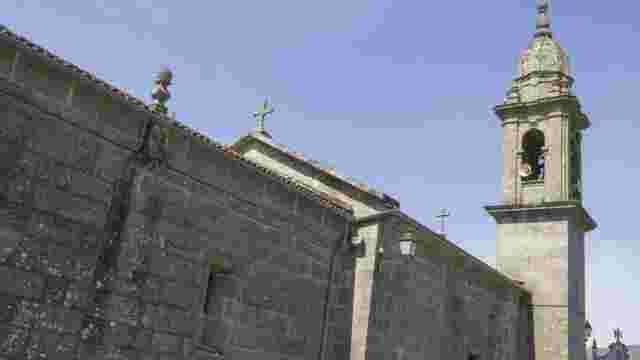
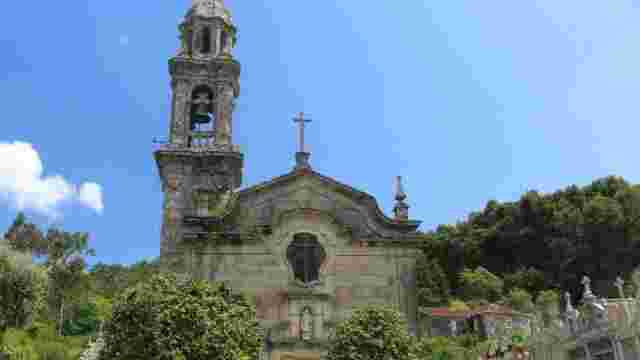
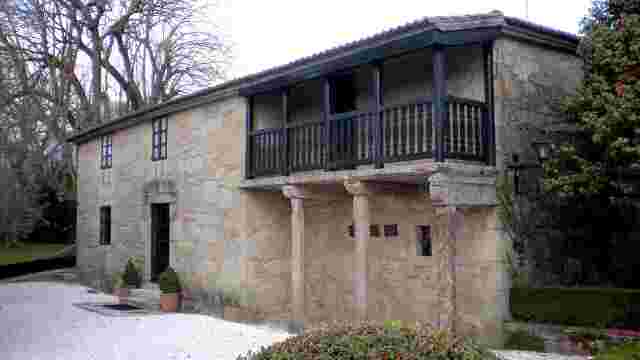
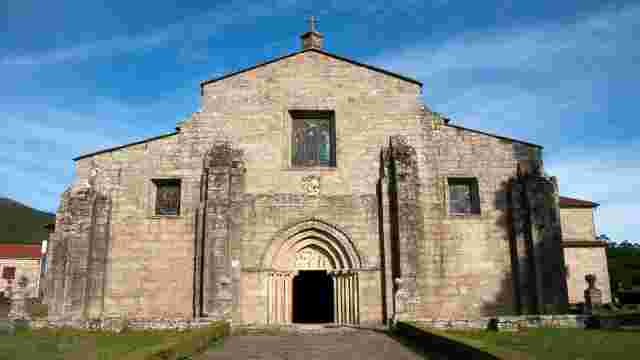
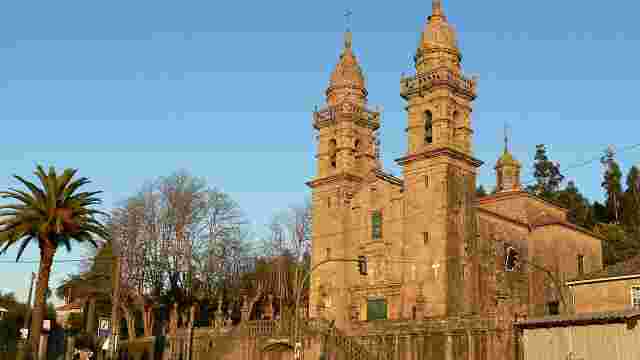
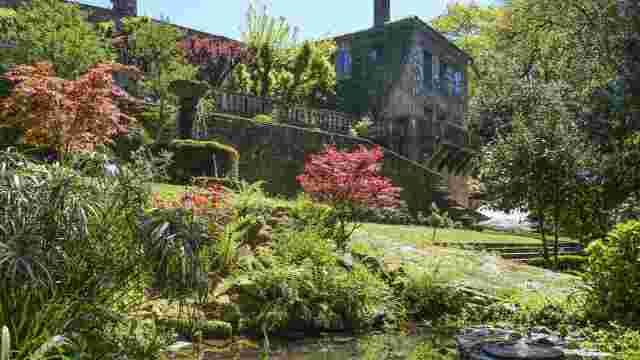
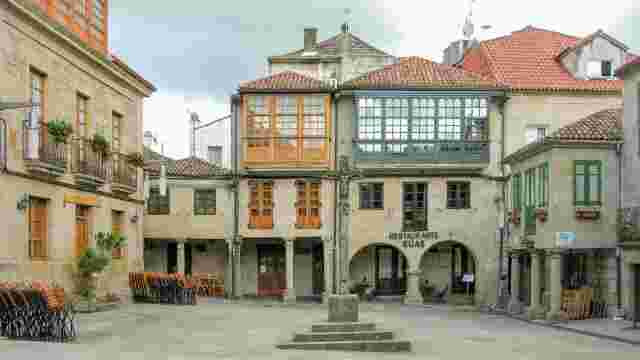
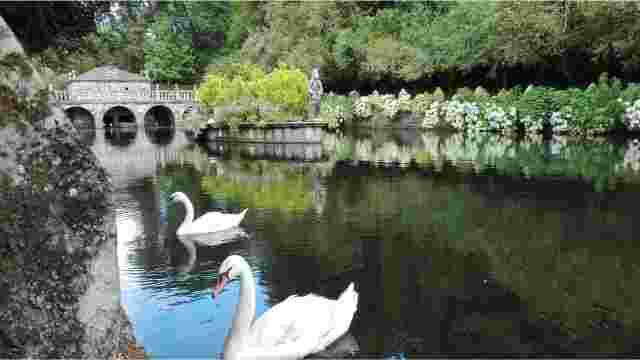
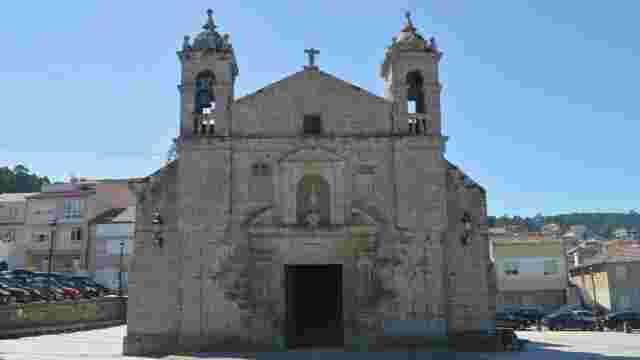
The city’s historical and architectural heritage reflects its evolution from a Castreño settlement to a modern city. On Monte del Castro, there is a museumised archaeological site dating from the 3rd century BC, alongside the remains of a 17th-century walled fortification. The original town centre, known as the Casco Vello, features a traditional urban layout of narrow streets and granite buildings, notably the Collegiate Church of Santa María (in the Neoclassical style) and the Plaza de la Constitución. This neighbourhood connects to the 19th-century Ensanche district, characterised by residential and industrial architecture from the late 19th and early 20th centuries. The municipal area also includes Castrelos Park — a historic manor house converted into a municipal museum with gardens of cultural interest — and the Cíes Islands archipelago, a protected area of high ecological value forming part of the Atlantic Islands of Galicia National Park.