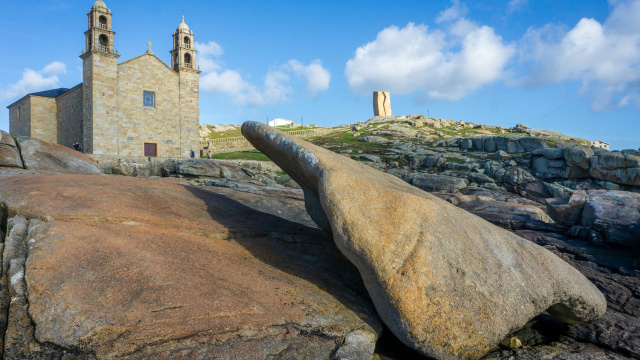
Santuary of Our Lady of the Boat
The Santuario da Virxe da Barca is a seaside shrine linked to the legend of the Virgin Mary arriving in a stone boat and to Galician seafaring traditions.
The Sanctuary of the Virgin of the Boat, in Muxía, is a church situated by the sea, associated with the tradition of the Virgin’s arrival in a stone boat. It dates back to the Middle Ages, although it has been rebuilt on several occasions, particularly following the damage caused by the storm of 2013.
It is linked to ancient seafaring legends and the devotion to the Virgin of the Boat, which is deeply rooted on the Costa da Morte. The setting, with its large granite rocks facing the Atlantic, forms one of the best-known places of pilgrimage and worship in the area.
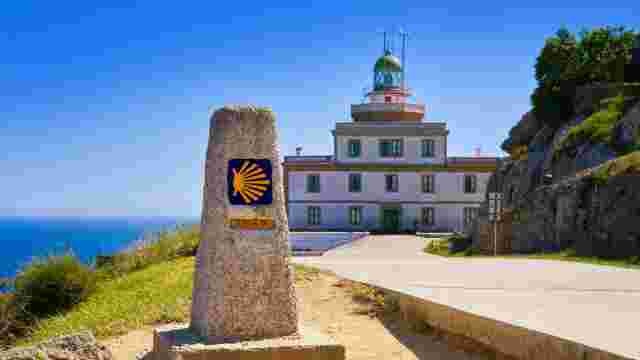
Finisterre
Finisterre, historically known as the ‘end of the world’, is renowned for its lighthouse, rugged coastline and pilgrimage tradition.
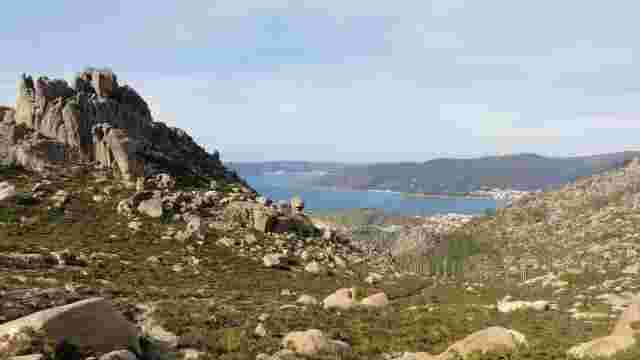
Pindo Mountain
Mount Pindo, known as the ‘Celtic Olympus’, is renowned for its granite formations, rich folklore and significance as a natural and cultural site in Galicia.
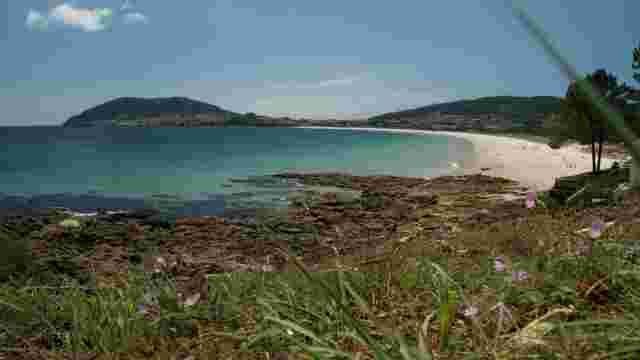
Langosteira Beach
Langosteira Beach is a stretch of fine sand nearly 2 km long with calm waters, sheltered from the Atlantic swell on the Costa da Morte.
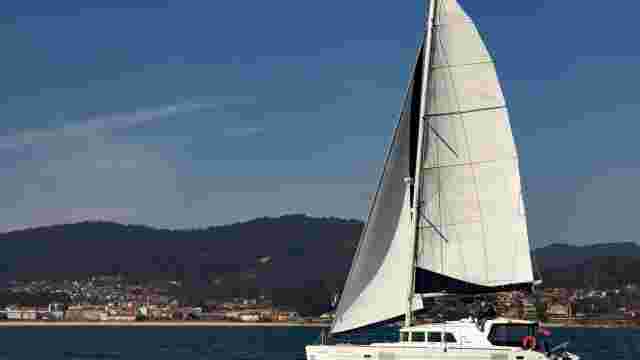
Muxía
Muxía is a Galician municipality known for its cliff-lined coastline, fishing heritage and exposure to the Atlantic Ocean.
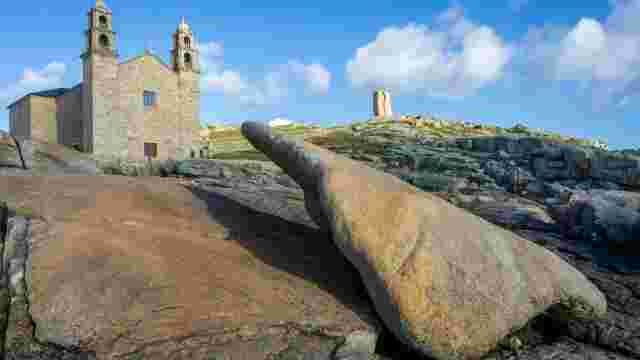
Santuary of Our Lady of the Boat
The Santuario da Virxe da Barca is a seaside shrine linked to the legend of the Virgin Mary arriving in a stone boat and to Galician seafaring traditions.
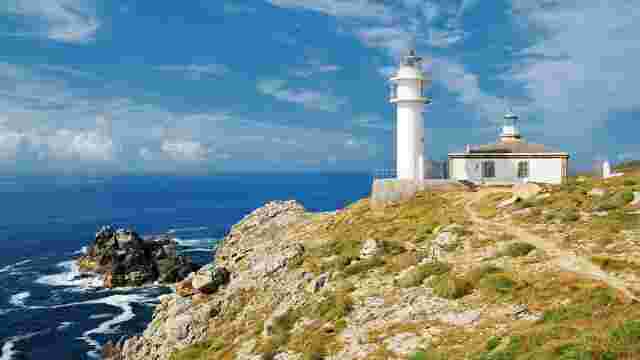
Cabo Touriñan
Cape Touriñán is renowned for its seclusion, rugged landscape and geographical significance, as it is the last place on the peninsula where the sun sets at c...
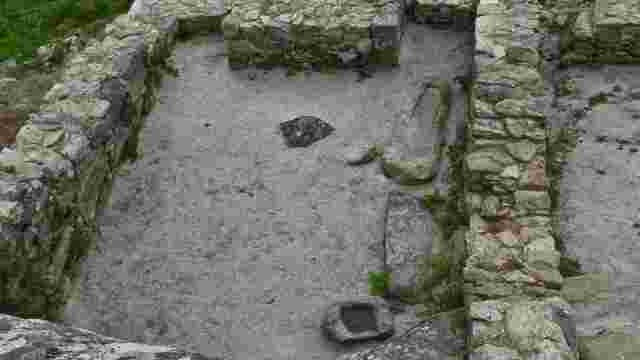
Chapel of St William
The Chapel of San Guillermo is famous for the “pedra dos cadrís”, a fertility ritual, and its spectacular views of the Atlantic.
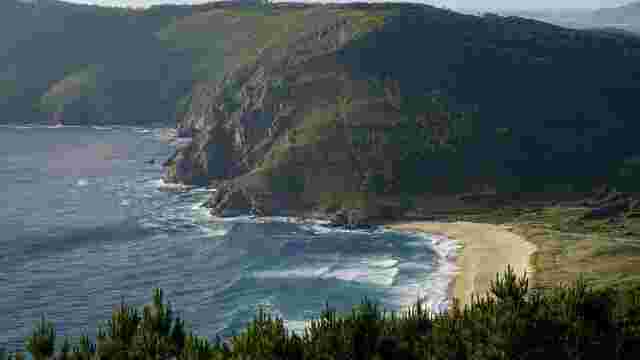
Mar de Fora Beach
Mar de Fóra Beach, which opens out onto the Atlantic, is notable for its strong waves, dunes and views of Cape Fisterra on the Costa da Morte.
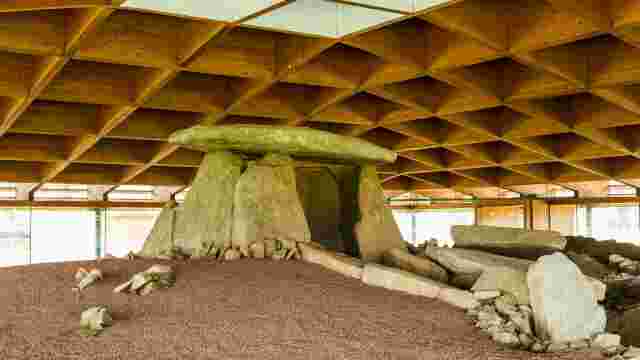
Dolmen of Dombate
The Dombate Dolmen, a Neolithic megalithic monument dating from the 4th–3rd millennium BC, is notable for its rock paintings and its great archaeological sig...
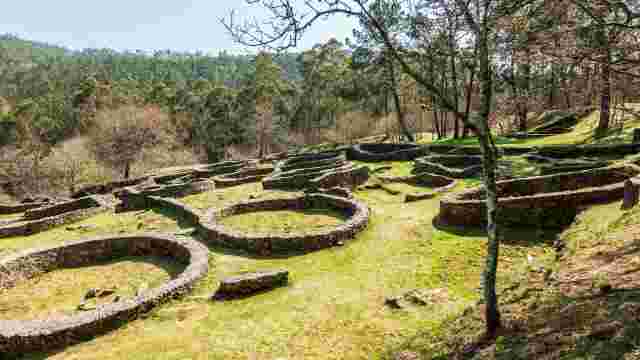
Borneiro Castle
Castro de Borneiro, an Iron Age settlement featuring circular houses and defensive walls, is one of the best-preserved castros on the Costa da Morte.
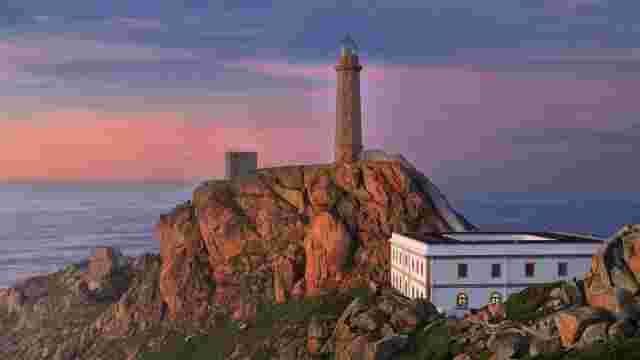
Cape Vilán
Cabo Vilán (Costa da Morte), with its granite cliffs overlooking the Atlantic, is notable for its lighthouse, built in 1896 and one of the first to be powere...
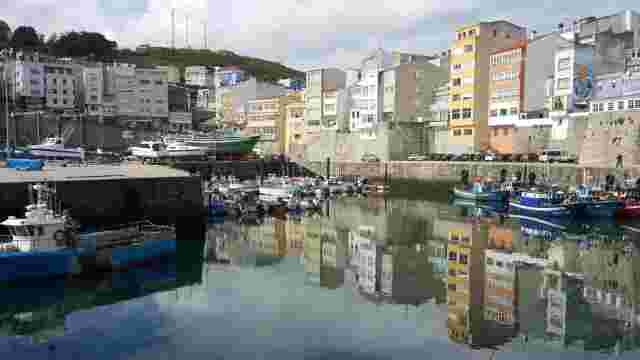
Malpica
Malpica de Bergantiños is a charming Galician coastal village, famous for its harbour, beaches, seafaring tradition and unique Atlantic landscapes.
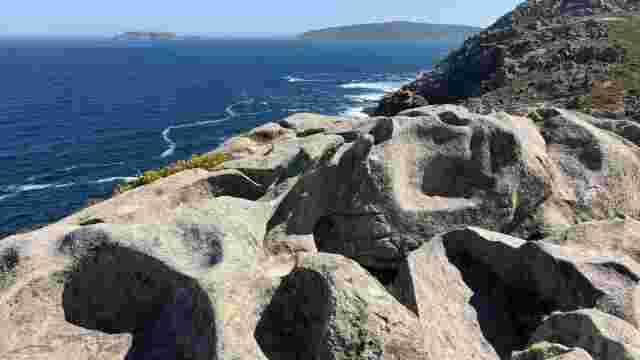
Nariga Point
Nariga Point is a stunning Galician headland known for its modern lighthouse, rugged cliffs and spectacular views of the Atlantic Ocean.
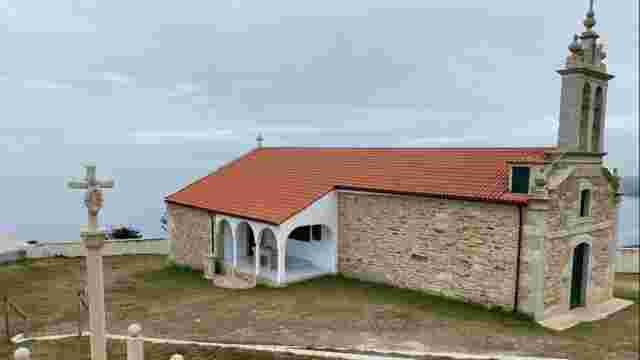
Hermitage of Saint Adrian
The Chapel of San Hadrián in the Bergantiños region is a small rural chapel of medieval origin, surrounded by nature.
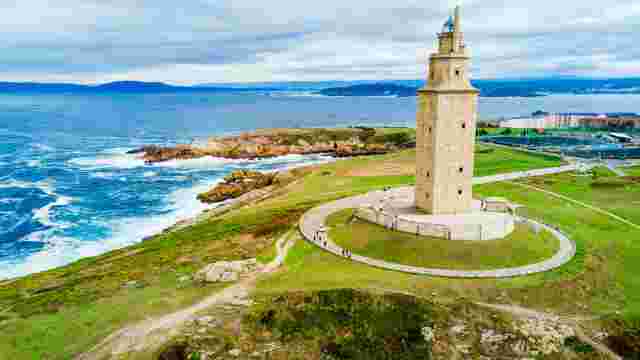
Ría of A Coruña
The A Coruña estuary laps against the city with calm waters, an Atlantic breeze and coastal scenery that invites you to explore the area.