Parada de Sil
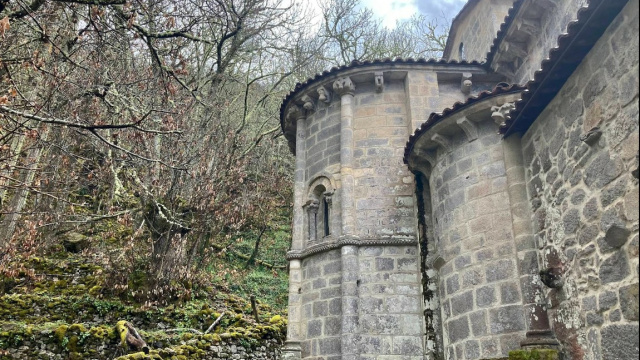
Parada de Sil lies in the heart of the Sil Canyon, and the surrounding area preserves the charm and mysticism that gave rise to the Ribeira Sacra.
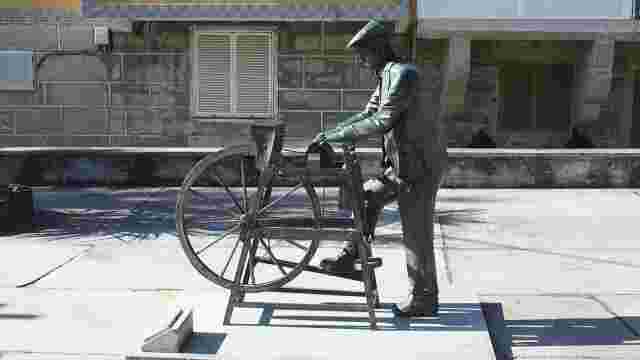
Parada de Sil is the hub of an area distinguished by the Monastery of Santa Cristina. The arrival of Christianity drew numerous monks to the region; they found the hillsides to be the perfect setting for an ascetic life. Over time, the monastery was established, and various settlements—such as present-day Parada de Sil—sprang up around it to supply the monastic community with resources. An interesting feature of the town is a monument dedicated to the barquilleiro (wafer seller); many of the street vendors who sold this treat hailed from this area, with some even emigrating to Madrid and popularizing the snack there.
Castro Caldelas
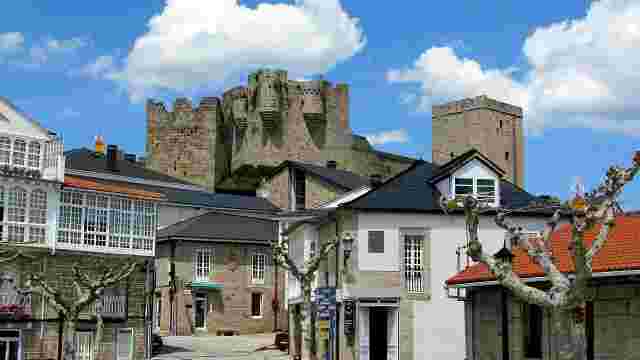
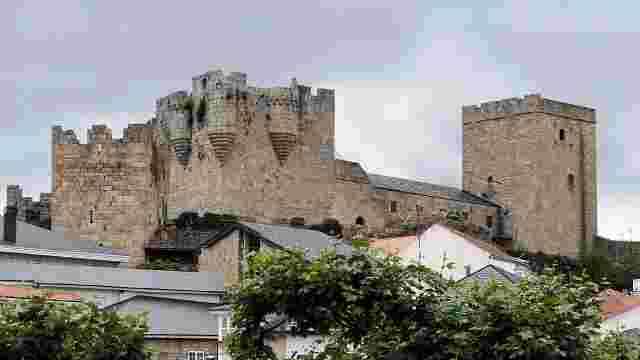
A town that gained particular importance during the Middle Ages due to its strategic position for commanding the Ribeira Sacra.
Stage Castro Caldelas - Fábrica da Luz
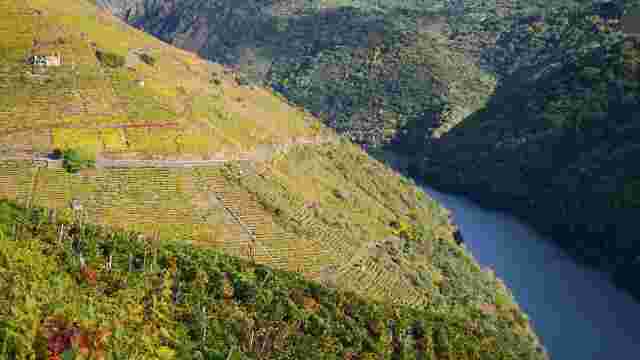
The path starts from Castro Caldelas and gradually approaches the Sil River, running parallel to its course until reaching Barxacova.
A Fábrica da Luz
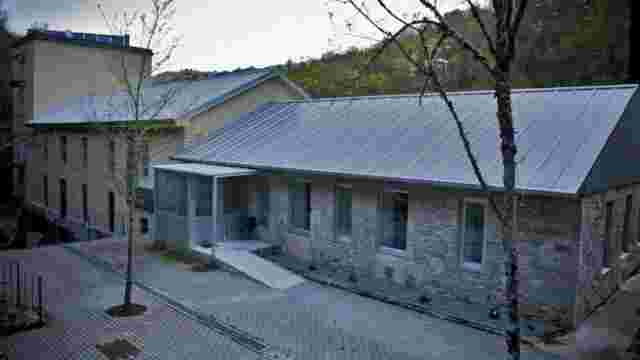
It is currently a hostel, but its name recalls its origins, as it was one of Galicia's first power-generating stations.
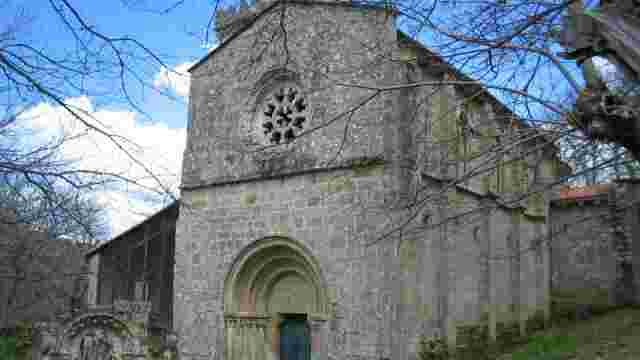
Stage Fábrica da Luz - Parada de Sil
On this stage, we will skirt the Sil River, passing through landscapes distinguished by the endless terraced vineyards of the Ribeira Sacra D.O.
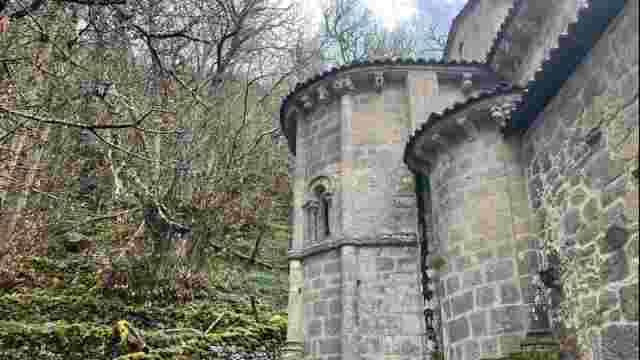
Parada de Sil
Parada de Sil lies in the heart of the Sil Canyon, and the surrounding area preserves the charm and mysticism that gave rise to the Ribeira Sacra.
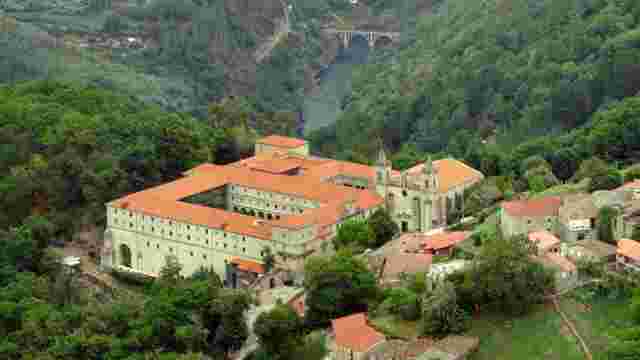
Stage Parada de Sil - Convento de Santo Estevo
A stage that winds its way between viewpoints and culminates at one of the icons of the Ribeira Sacra: the Monastery of Santo Estevo.
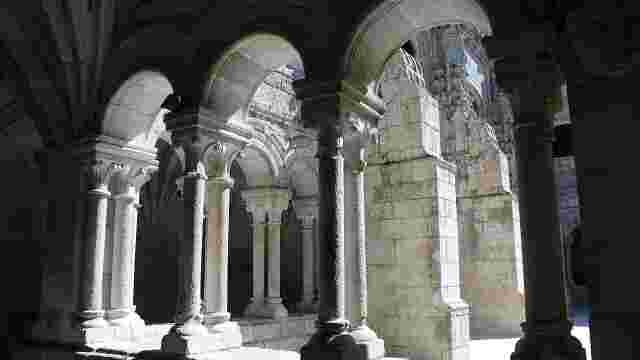
Convento de Santo Estevo de Ribas de Sil
The significance of Santo Estevo is not only architectural but also historical and spiritual, as it was a center of power for the entire region.
Stage Convento de Santo Estevo - Esgos
In this case, the route heads inland, venturing into the heart of the region to discover the mountainous landscapes and hidden gems of the Ribeira Sacra.
Esgos
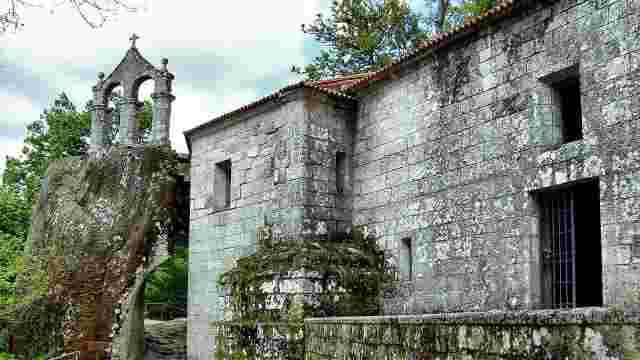
Like many of the small villages in the area, Esgos originated as a settlement dependent on the nearby Monastery of San Pedro de Rocas.
Stage Esgos - Maceda
An ideal stage for those wishing to enjoy the heritage of the Ribeira Sacra's interior without strenuous effort, as it is one of the easiest routes.
Maceda
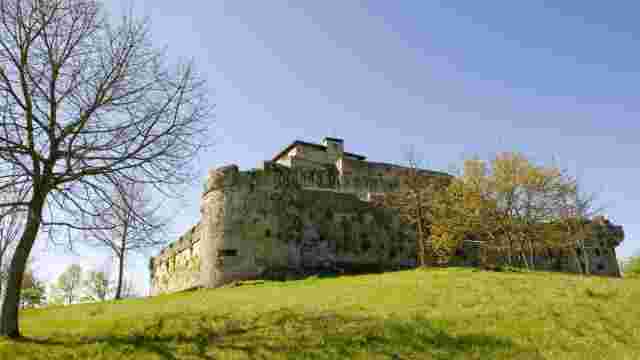
Maceda is notable for its castle, where legend has it that Alfonso X the Wise learned Galician before going on to write his famous "Cantigas".
Stage Maceda - Montederramo
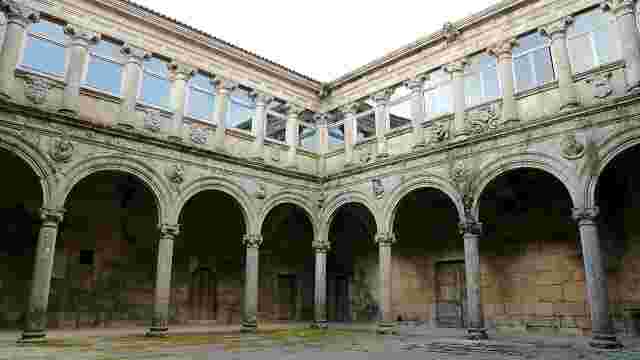
The stage from Maceda to Montederramo follows part of the Roman *Via Nova*, meaning we walk in the footsteps of history.
Montederramo
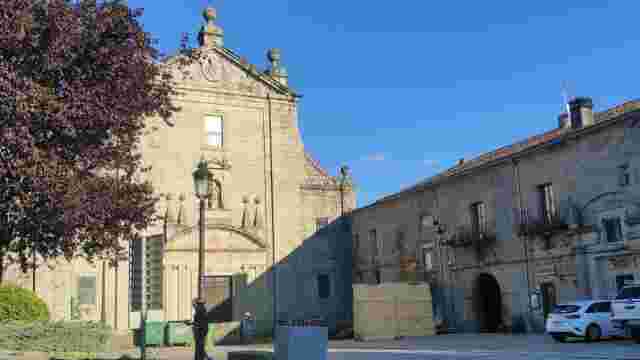
The history of Montederramo is linked to the Monastery of Santa María. The site is mentioned as early as the 12th century, but—like the rest of the Ribeira Sacr
Stage Montederramo - Castro Caldelas
It is the last stage of the Camiño do Monxe that partially shares a path with the ancient Roman Via Nova.